

























































City Hall is on the verge of deciding whether to cut a $10,000 check to thousands of New York City school paraprofessionals, and the new mayor is already signaling he is not thrilled about how the City Council wants to do it. The proposal would pump extra cash to some of the lowest paid frontline school workers as unions and council members scramble to plug chronic staffing gaps. With a possible vote this week, the clash has turned into a bigger fight over quick fixes versus pay raises won at the bargaining table.
What the City Council is voting on
The measure, known as Introduction 0692, would require the Department of Education to give eligible school paraprofessionals a $10,000, non‑pensionable lump‑sum payment that is prorated by days on payroll. The payment would vanish once a collective bargaining agreement delivers total annual compensation that meets or beats that amount, according to the City Council. The legislative file lists 47 council sponsors, a tally comfortably above the 34 votes needed to override a mayoral veto, as long as supporters hold the line.
Mamdani expresses doubt
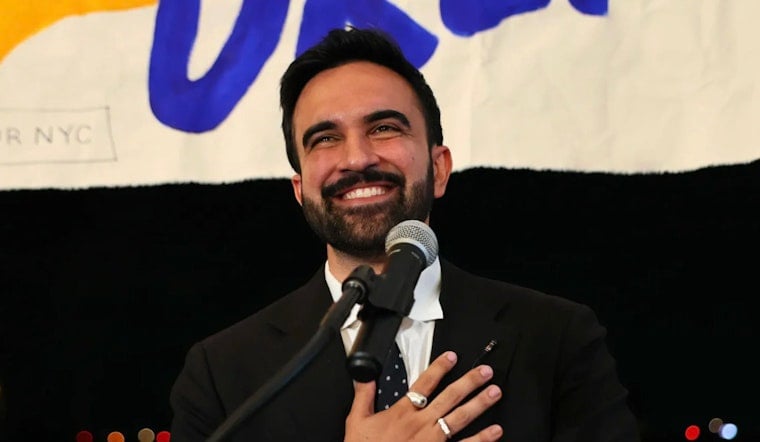
Mayor Zohran Mamdani, speaking with reporters in Brooklyn, said he had misgivings about delivering sizable pay boosts outside the normal collective bargaining process, the New York Daily News reported. He has repeatedly pointed to tight fiscal constraints even as the Council presses ahead with its own agenda, setting up what looks like a classic City Hall showdown over both money and method.
Union case: pay or vacancy?
The United Federation of Teachers has been driving the push for what it brands a RESPECT check, arguing that the city is sitting on thousands of open paraprofessional jobs while starting pay for new hires barely clears $32,000, according to union testimony and salary schedules. The union told council committees that chapter surveys found at least 1,600 paraprofessional vacancies and said the payment would help recruit and retain aides who support students in special education settings, according to the UFT. The union also publicly celebrated the bill’s progress, writing on social media that “this is the furthest this legislation has ever gone,” as reported by the New York Daily News.
Budget trade‑offs ahead
Council leaders say the proposed payment can be wrapped into a larger package of budget priorities, but the city’s financial limits make any new recurring commitment a tough sell. The Council’s preliminary budget response points to other resources it argues could cover fresh obligations, while the mayor’s team has warned that piling on big new line items might require cuts somewhere else or dipping into reserves, according to the City Council.
Legal and bargaining implications
The bill spells out that it “shall not be construed to limit or otherwise alter the right of the mayor, a certified employee organization, or any other person or entity, to bargain,” and it would be repealed once a contract delivers equivalent pay gains, according to the City Council. Supporters say that language proves the Council is honoring collective bargaining even as it tries to deliver what they frame as emergency relief. Skeptics counter that legislating even a temporary supplement could set a precedent unions and mayors will have to wrestle with in every future round of negotiations.
What happens next
The UFT says it expects the bill to land on the City Council’s stated meeting agenda on July 16, where members could vote on whether to advance it. If it passes, the measure would go straight to the mayor’s desk for either a signature or a veto, according to the UFT. With 47 sponsors already on board, the Council has the numbers to override a veto on paper, but Mamdani’s public doubts set the stage for a potentially dramatic test of that unity if the bill reaches his desk.
Whichever way it breaks, the fight highlights a basic choice for the city: use legislation to deliver quick one‑off relief, or keep pay decisions locked inside the collective bargaining process that covers most municipal workers. Paraprofessionals, parents and school leaders will be watching Thursday’s vote to see which path City Hall takes.





