

























































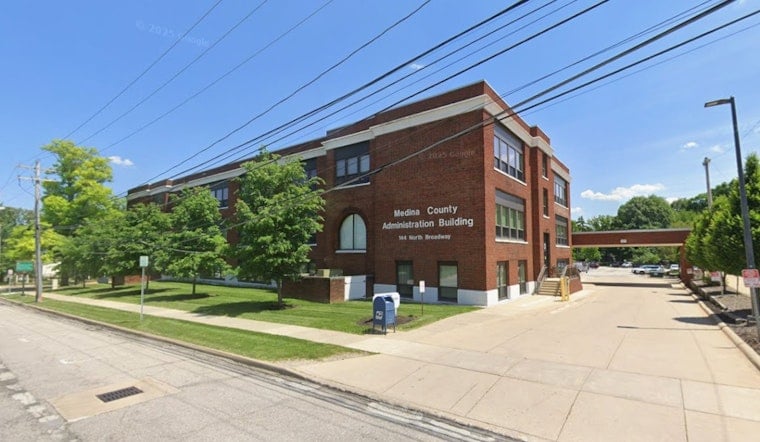
What looks like a $3-a-month squabble over Brunswick's garbage has turned into a countywide political brawl that could upend Medina County's entire solid-waste plan. The city's push to sidestep a key county rule on where trash goes first is putting the draft plan, and the money that keeps the system running, squarely at risk.
At the center of the dispute is Brunswick's request to be exempt from the county's flow-control rule, which tells haulers to take trash and recycling to the county-owned transfer station in Seville before it goes anywhere else. County planners say that waiver request is not just a technical tweak. It could reshape how trash moves around Medina County and who ultimately pays to keep the system afloat.
Officials warn that what sounds like a minor hit to household budgets could carve out a big slice of the district's revenue and force them back to the drawing board on a plan that was on track for ratification.
Brunswick's Waiver Could Stall the County Plan
Brunswick formally asked this month to be released from the district's flow-control policy, the rule that routes local trash and recycling through the Seville transfer station first. Since Brunswick is the largest city in Medina County, county officials say its ability to opt out is not just symbolic. Losing that volume could effectively block the draft plan during the local ratification process.
Nicholas Hanek told Cleveland.com that the projected countywide rate increase is “modest” and said Brunswick is trying to shield its taxpayers from higher bills. That argument has become the political shorthand for a much more technical fight over long-term contracts, tipping fees and how to keep the countywide system funded.
Transfer Station Is the County's Revenue Engine
The Seville transfer station is the hub of Medina County's trash operation. It is run for the county by Rumpke and serves as the main funnel for most of the waste generated in the district. Rumpke lists its Medina County facility at 8700 Lake Rd., Seville, and describes it as a drop-off and processing site that serves municipalities and private haulers across the district, according to Rumpke.
Brunswick, meanwhile, charted its own course. The city awarded a five-year curbside contract to Kimble Recycling & Disposal in 2024 and, in its 2026 budget, set residential trash billing at $23.50 per month. Those contract terms sit at the heart of Brunswick's claim that it can give residents cheaper service than what would result from sending its trash through the county transfer station. The City of Brunswick budget makes clear that these competing contracts turn the waiver request into something much bigger than a routine procurement call.
The Math: Tens of Thousands of Tons, Hundreds of Thousands of Dollars
Behind the rhetoric is a lot of tonnage and a lot of money. County estimates show the Seville transfer station handles about 150,000 tons of waste every year. The district pays roughly $45.25 per ton to Rumpke to run the facility, and tipping fees from that operation supply about 75 percent of the district's revenue.
County planners say carving Brunswick out of the system would knock about $680,000 a year out of district revenue and push more of the costs onto other communities. Their projections put the average monthly trash bill at $23.37 per resident under the full flow-control plan, compared with $20.18 if Brunswick were excluded.
The entire argument has narrowed to a roughly $3.19 monthly difference for the typical household, yet that small number is driving the county's financial model. County officials also say Rumpke would seek about $3.15 more per ton and would remove certain contractual recycling requirements in its bid, which adds another layer of complication to the negotiations. Those figures were reported by Cleveland.com.
Legal and Procedural Stakes
Under Ohio law, every county solid-waste district must prepare and submit a solid waste management plan to the Ohio EPA for review and approval, and local ratification is a required part of that process, according to the Ohio EPA. In Medina County, the policy committee is set to weigh Brunswick's waiver request before the plan is sent to cities, villages and townships for ratification.
That committee's decision will determine whether the county can move ahead with the current version of the plan, which assumes full flow-control and the associated revenue. If local approvals change the underlying revenue assumptions, county staff may have to redo their financial modeling and reopen negotiations with haulers before they can send a plan to the state that has a realistic chance of being approved. Other districts' Ohio EPA approval letters lay out what can follow, including state review and potential appeals.
What Happens Next
The negotiations now come down to a classic local-government question: where do the savings for one city's residents stop and the countywide costs begin. Officials on both sides say they are trying to strike a balance between keeping Brunswick ratepayers happy and keeping the solid-waste district solvent.
The policy committee is expected to make its call in the coming weeks. Its vote will either send the current draft plan on to local governments or force staff to rip up key assumptions and start revising, a move that could delay final adoption and trigger another round of talks with haulers and municipalities.
For a fight centered on a few dollars a month, the stakes are unexpectedly high. The outcome will show just how much a relatively small line on a household bill can reshape an entire county's trash plan.



