

























































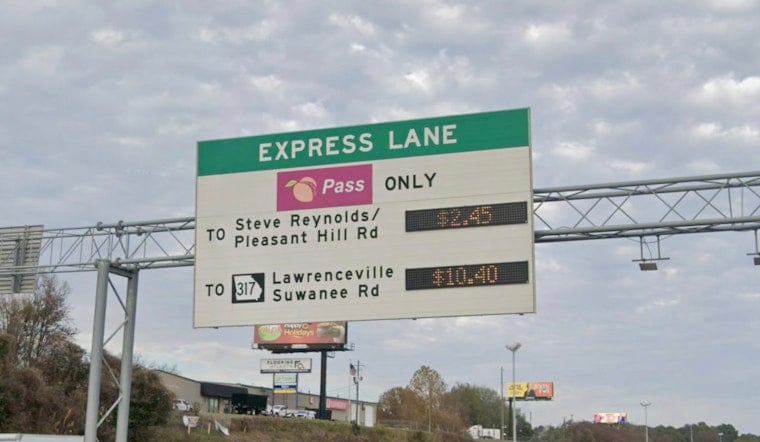
North of Atlanta, the I-85 express lanes have quietly turned into a cash cow. Projected toll revenue for the corridor is expected to top $300 million, a haul that could speed up Georgia's push to add more paid lanes. The money has split commuters: some say they are gladly buying back precious rush-hour minutes, while critics argue the system tilts toward drivers who can afford to pay. State officials and private partners are already lining up toll receipts alongside long-term financing to drive even larger transportation projects.
According to FOX 5 Atlanta, investigative work connected to the Gwinnett Daily Post puts the corridor's revenue on pace to cross the $300 million mark. The station's segment recapped reporting by Nate McCullough on average toll costs, rush-hour time savings, and how drivers feel about shelling out for a faster ride.
Where the money came from
The State Road and Tollway Authority says Peach Pass enrollment and express-lane use have steadily climbed. The agency notes it has issued more than 500,000 Peach Pass transponders since the lanes opened, a sign of how many drivers at least have access to the tolled option. WSB-TV reports the I-85 express lanes now carry nearly 40,000 tolled trips a day, with about 17,000 of those on the newer extension and roughly 20% of all trips toll-exempt. Those daily volumes help explain how the revenue number climbed so quickly.
What drivers are paying
Tolls on the corridor are dynamically priced. Peach Pass publishes a real-time map that shows rates rising and falling with congestion, and Federal Highway Administration toll data indicate minimum charges on some Georgia corridors sit at about $0.10 per mile. That keeps many trips at a relatively modest premium for a faster commute, although peak-period spikes can push individual tolls significantly higher. Regular users say the time savings are real, but the bill depends heavily on the clock and where they choose to hop into the express lane.
Where the revenue might go next
State officials say this kind of toll revenue gives them leverage to finance bigger projects without dipping into general tax dollars. The U.S. Department of Transportation's Build America Bureau has closed a loan of up to $3.89 billion for the SR 400 express lanes public-private partnership, a package that ties future toll revenue to private capital and includes money targeted at bus-rapid-transit improvements, according to the U.S. Department of Transportation. Local coverage of the SR 400 deal also notes private partners committed funds for MARTA BRT and station upgrades, showing how toll dollars can be routed into transit as part of major P3 arrangements, on track for a 2031 debut reported.
Grumbling and policy questions
Plenty of people are not cheering the windfall. Policy groups and transportation critics warn that express toll lanes can morph into so-called "Lexus Lanes" that reward drivers who can pay for speed, a concern echoed in national analyses of managed lanes. The Reason Foundation, among other commentators, has questioned equity and procurement issues tied to large toll concessions. State leaders say they are trying to answer those worries with tighter oversight and by building transit promises directly into project contracts.
That $300 million figure, if it holds up once the final accounting is done, gives Georgia fresh evidence that drivers will pay for more capacity and that toll receipts can be stitched into the financial plans for big-ticket projects. For commuters, the personal math is simpler: is the time saved worth the swipe of the Peach Pass? As new lanes come online in the years ahead, officials will be watching volumes, prices, and public sentiment closely.





