

























































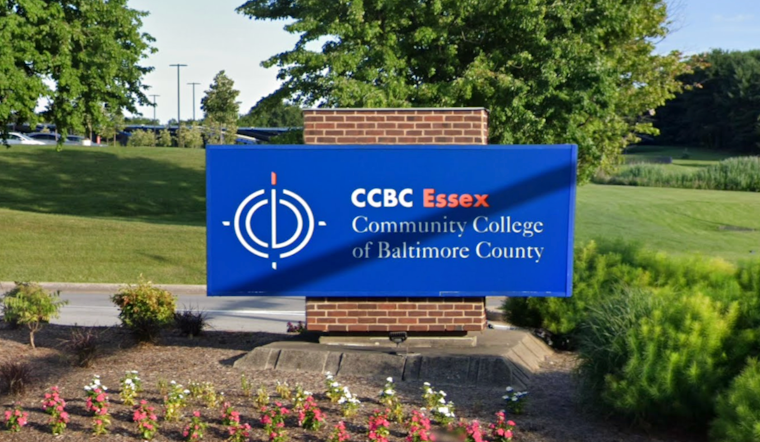
Community College of Baltimore County is putting more room—and more modern equipment—behind its automotive programs, with a $28 million renovation and expansion planned for the Transportation Technology Center at Catonsville. The project is aimed at a program already serving about 500 students each semester, with officials projecting enrollment could grow 40% over the next decade after the work is finished.
As reported by Baltimore Business Journal, the project is intended to increase capacity for automotive training as repair work becomes more technical. CCBC’s facilities page lists the project as being in bidding and permitting, with an 8,251-net-square-foot interior renovation and a new 22,000-square-foot addition.
The Project Will Add Lab Space For EV-Era Repairs
Design firm WRA says the work will expand automotive laboratory space while renovating classrooms and faculty offices. The addition is being designed to support electric-vehicle instruction and other emerging automotive technologies, giving students more hands-on room to work with the systems now showing up in service bays.
CCBC’s automotive program offers associate degrees and certificates for students pursuing technician careers, including manufacturer-specific tracks tied to Ford and General Motors. The college says its Catonsville program has maintained full Master Automotive Service Technician accreditation across all eight specialty areas since 1992.
A Bigger Workforce Pipeline For Baltimore County
The expansion arrives as auto shops and manufacturers adjust to hybrid and battery-electric vehicles. A February report by Community College Daily said CCBC had recently added electric-vehicle safety and service instruction, while citing federal projections of roughly 70,000 annual openings for automotive technicians and mechanics through 2033.
The project also appears in the state’s FY 2027 capital budget proposal as the CCBC Catonsville Automotive Technology Center Renovation and Expansion. The Maryland capital budget proposal lists $5.635 million for the project in one segment of the state’s community-college construction grant program.
CCBC’s plan joins a broader central Maryland push to build short, hands-on routes into skilled work. Howard’s $43 million trades hub is also set to include automotive bays and other workforce labs, underscoring how community colleges are betting on training facilities to meet employers where the labor shortage is most immediate.





