

























































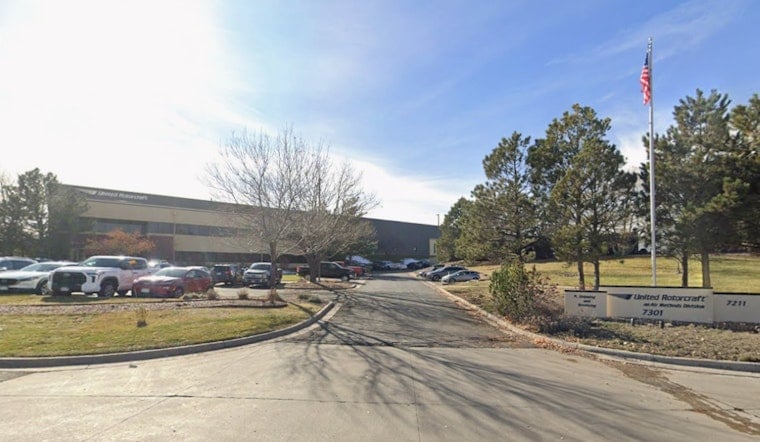
On the edge of Centennial Airport, a row of retired UH-60 Black Hawk helicopters is getting a loud second act as frontline wildfire fighters. Inside the south Denver hangars of United Rotorcraft, technicians strip the former military birds and rebuild them into Firehawks, heavy-lift machines built to scoop and drop water on fast-moving blazes. The shop has already supplied dozens of California agencies and is now fielding international work, all while supporting a steady stream of skilled aerospace jobs in Arapahoe County. Military airframes, firefighting tanks and upgraded avionics are blended into multi-mission aircraft for states and counties staring down longer, hotter fire seasons.
How a Black Hawk Becomes a Firefighting Workhorse
According to United Rotorcraft, the conversion recipe starts with extended landing gear, mission-specific interiors and modernized avionics. The real party trick is a 1,000-gallon belly tank with a retractable snorkel, which lets crews dip into lakes and reservoirs to refill without ever touching down. The company’s newsroom describes how legacy UH-60L airframes get a multi-role firefighting package tailored to each operator’s altitude and mission profile, with options that include medevac and search-and-rescue layouts. The result is a Type-1 aerial tanker capable of delivering tight, concentrated water drops right where wildfire hot spots are flaring.
Roots in Sikorsky and a Local Team
There is some history baked into the hardware. Jeanette Eaton, who helped pioneer the Firehawk conversion in the early 1990s while at Sikorsky, now leads strategy and business development at United Rotorcraft. She told Denver7 that the platform grew out of a need for a more capable firefighting helicopter, one that could take a beating and keep flying. "Firefighting is a battle, and the Black Hawk was made for the battlefield," Eaton said. In Arapahoe County, her team pulls together parts, avionics and tanks in hangars that now hum with conversion work all year long.
Economic Lift for the Airport and Region
The helicopter makeover business is not just flashy aviation; it is also a key piece of the local economy. On-airport activity makes up about 87% of Centennial Airport’s $2.4 billion total economic footprint, and the airport and its tenants support a web of skilled maintenance and avionics jobs, according to the Centennial Airport fact sheet and Colorado’s 2025 aeronautics economic study. United Rotorcraft’s Firehawk line fits neatly into a broader regional aerospace cluster that has grown as states and counties look to modernize their firefighting fleets.
California Demand and Global Orders
The sharpest demand so far has come from California, where multiple fire agencies have swapped out aging Hueys for platforms built on the Black Hawk airframe. Trade coverage notes that roughly three dozen S-70 Firehawk helicopters are now either on order or in service across the United States, and United Rotorcraft has announced plans to convert two Black Hawks for the Colombian Air Force under its first international FIREHAWK contract. That international move signals rising global interest in heavy-lift firefighting aircraft as fire seasons stretch longer and governments look for faster response tools, per AirMed&Rescue.
Workers on the Line
On the hangar floor, the work is personal. Avionics lead Philip Fleming told Denver7 that every extra hour of effort comes with real-world stakes. "If I just put in the extra time, that may help save a life. May help save some property," he said. For Fleming, United Rotorcraft and Centennial Airport, these conversions double as a response to escalating wildfire risk and a local manufacturing niche that turns retired defense assets into civilian lifelines.





