

























































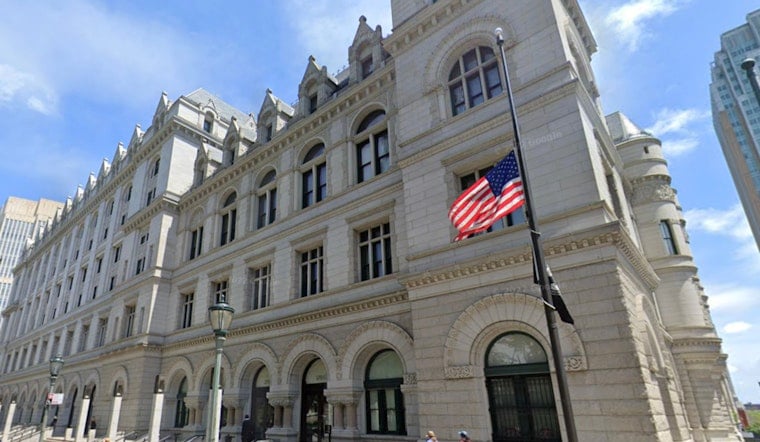
A Jamaican national who prosecutors say helped run a multimillion-dollar fake sweepstakes pipeline that targeted elderly Americans has been sentenced to 66 months in federal prison in Central Islip and ordered to pay $5.4 million in restitution.
Adrian Lawrence, 34, pleaded guilty to conspiracy to commit wire and mail fraud after investigators said he and co-conspirators convinced seniors to send money to claim prizes that never existed. Prosecutors said at least 50 victims, with an average age of about 82, collectively mailed or wired more than $5.6 million into the scheme.
According to the U.S. Attorney’s Office for the Eastern District of New York, U.S. District Judge Joan M. Azrack handed down the prison term and ordered restitution. The office said the scam ran for more than six and a half years and that victims were told, falsely, that they had won Publishers Clearing House prizes and needed to pay taxes or fees up front in order to collect.
How the Scheme Worked
As earlier court filings and an extradition announcement laid out, "Lawrence and his co-conspirators preyed on dozens of elderly persons," the U.S. Attorney’s Office said. The earlier release noted that Lawrence was arrested abroad, extradited to the United States in February 2023 and later pleaded guilty in December 2023. Victims were instructed to wire money, mail checks or send cash to accounts controlled by the defendants, supposedly to cover taxes and fees tied to their supposed winnings. For more on the extradition and charges, see the U.S. Attorney’s Office, Eastern District of New York.
Broader Trend
Lawrence's case mirrors a broader surge in scams aimed at older Americans. The FBI reported that in 2025 people aged 60 and older filed more than 201,000 complaints with the Internet Crime Complaint Center and reported losses topping $7.7 billion, and that prize and sweepstakes scams remain a common tactic, according to the FBI.
Investigators and Resources
The sentence capped a joint investigation by FBI New York, the U.S. Postal Inspection Service and the Treasury Inspector General for Tax Administration, and the agencies highlighted the result in posts by FBI New York. Officials urged anyone who suspects elder fraud to report it to the FBI’s Internet Crime Complaint Center and to the Federal Trade Commission. See IC3 and the Federal Trade Commission for resources and tips on protecting older family members.





