

























































Central Ohio has been quietly turning everyday driving into a rolling science experiment, transforming local roads and research centers into one of the country’s most complete living labs for connected and autonomous vehicle technology. Across Dublin, Marysville and Union County, public agencies and private partners have been installing fiber, roadside radios and sensor-equipped intersections so vehicles and infrastructure can exchange safety data in real time. The work is concentrated on a stretch of U.S. 33 that local leaders and engineers use for tests ranging from truck platooning to pedestrian-detection pilots. Officials say the goal is a mix of safety gains and new local jobs as companies bring products here to validate them in real traffic.
How the living lab actually works
The Beta District has organized the buildout along what it calls the 33 Smart Mobility Corridor, a roughly 35-mile testbed with redundant roadside fiber, dozens of connected intersections and hundreds of fiber strands that support vehicle-to-infrastructure messaging. According to The Beta District, those roadside units and fiber links allow properly outfitted vehicles to receive signal timing, safety alerts and other data while traveling through a mix of urban, suburban and rural conditions. That blend of environments is intended to surface practical problems that controlled lab tests miss and to speed up real-world validation.
State support gave the corridor scale
State agencies framed the corridor as a national model when they formally dedicated the project. A 2021 release from the Ohio Department of Transportation described the US 33 span as among the most connected highways in the world and highlighted partners including DriveOhio and the Transportation Research Center. That early show of support helped unlock a combination of federal, state and local funding that paid for roadside radios, fiber and intersection equipment needed for testing. Local officials say the public investment has been a key lever in convincing private firms to stage pilots here instead of somewhere else.
Early safety data shows promise
Independent evaluations of the corridor's deployments have already recorded measurable safety benefits. A federal ITS deployment assessment prepared for DriveOhio and local partners reported an 8% reduction in crashes among equipped fleet vehicles along the corridor and noted higher driver awareness and fewer near-miss events in those pilot fleets. The ITS analysis also recommended adding sensors and refining pedestrian detection at midblock crossings in order to boost effectiveness as the program grows.
Facilities and incentives to move prototypes to market
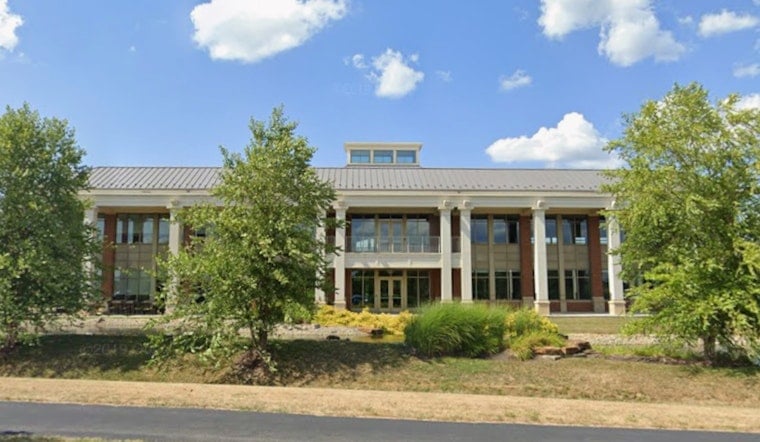
Beyond fiber and roadside radios, the region has built physical capacity to help companies push ideas toward commercialization. The Automotive & Mobility Innovation Center at 1100 Innovation Way in Marysville provides incubator space, test facilities and direct access to the corridor's network, according to AMIC. State coordination and programmatic support, documented in DriveOhio's annual report, have helped recruit startups, legacy suppliers and OEM partners to test and, in some cases, locate operations in the region.
What to watch next
Doug McCollough, executive director of The Beta District, has been out front explaining the region’s pitch in interviews and short video explainers, and a City of Dublin reel posted yesterday offers a concise primer on the corridor's goals and recent installations. Organizers are also staging conferences and convenings this year that bring buyers, researchers and investors to the corridor, with the Intelligent Community Forum and related events set to put Central Ohio’s work in front of an international audience. For drivers in the region, the visible signs of all this, from new cabinets and sensors to construction crews, are likely to multiply over the coming months as pilots expand.





