

























































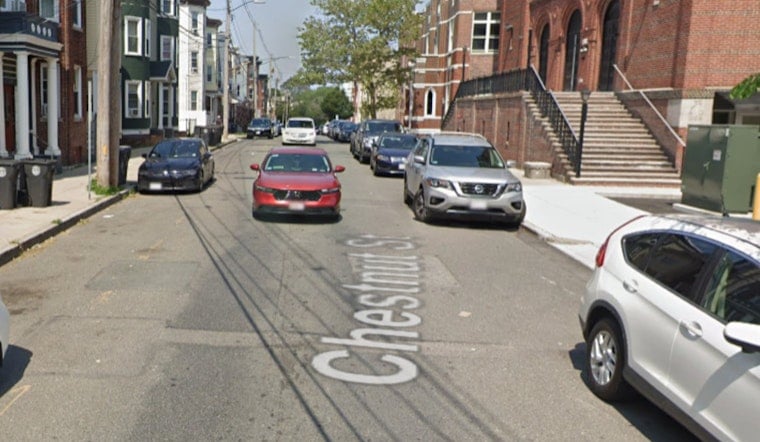
An injured dog is now in city custody after a run‑in on Chestnut Street on Monday, with Chelsea officials keeping the animal under a state‑mandated 10‑day quarantine while they sort out exactly what went down.
Police say the dog was hurt during the incident and is being held while Animal Control investigates. The city's Animal Control Division is leading the follow‑up, and officials are asking neighbors to give officers and investigators some space to do their work as the case unfolds.
Residents who saw or heard anything have been urged to share what they know. Anonymous tips can be sent through social channels or by calling the department's tip line at 617‑466‑4880. The Chelsea Police Department website also lists contact options and reporting tools for anyone who would rather go online than pick up the phone.
Body‑Cam Footage Cleared, Dog Confiscated
In a press release shared via the Chelsea Police Department, officials said the department's Professional Standards Division reviewed the involved officers' body‑worn camera video and concluded that the officers acted appropriately and within the scope of their authority.
The department said it expects to release the body‑worn camera footage once its internal review is fully wrapped up. In the meantime, the Animal Control Officer has seized the dog and is reviewing possible violations of Massachusetts law and local rules, including Chelsea's leash law.
State Rules and a Possible Dangerous‑Dog Hearing
Under Massachusetts public health protocols, animals involved in incidents that expose people are typically placed under a 10‑day observation period so officials can monitor for signs of rabies, with local animal control officers responsible for enforcing that quarantine. The state's dog laws also allow a local hearing authority to hold a dangerous‑dog hearing and order penalties or corrective steps if a dog is found to be dangerous. Massachusetts General Laws Chapter 140 lays out how that hearing process works, and Watertown Public Health explains the 10‑day observation practice.
What Happens Next and How Residents Can Help
According to the department, the Animal Control Officer will move forward with citations and other enforcement actions where the evidence supports them, noting that many dog‑attack cases play out through civil or administrative channels rather than in criminal court.
Officials are urging residents to let the investigation run its course and to hold off on snap judgments while investigators collect statements, review footage and sort through the legal options. Tips can be submitted via social media or the police tip line, and media inquiries may be directed to [email protected], as noted in the department's statement. Chelsea Police Department





