

























































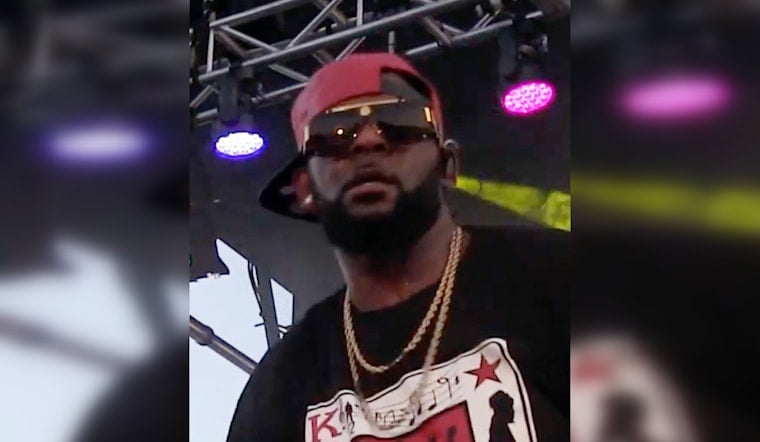
R. Kelly, the R&B singer serving decades in federal prison for sex-crime convictions, has asked President Donald Trump to commute his 30-year sentence. The petition was filed with the Justice Department this week and, according to court documents, seeks a reduction of his term rather than an erasure of his convictions.
As reported by the Chicago Tribune, the commutation request was submitted to the Office of the Pardon Attorney and lays out the specific relief Kelly’s lawyers want the president to grant. The filing frames the request as a commutation, not a full pardon, and asks that Kelly either be freed outright or have his sentence sharply reduced.
Commutation, Not A Pardon
A commutation shortens or ends a sentence but does not wipe out the underlying conviction. A pardon, by contrast, can restore civil rights and formally forgive a crime, according to the Justice Department. The Office of the Pardon Attorney reviews commutation and pardon petitions and forwards its recommendations to the president for final action, per DOJ guidance.
Kelly was convicted in 2021 in federal court in New York on racketeering and sex-trafficking charges, and a separate 2022 federal jury in Chicago found him guilty on child-pornography and enticement counts. Those earlier convictions and sentences have been widely reported; see coverage of the New York trial and the Chicago verdict by outlets including the Associated Press.
Where He’s Serving And The Release Timeline
Federal paperwork and public filings indicate Kelly is being held at the federal correctional complex in Butner, North Carolina, and the combined sentences mean he is not eligible for release until January 2046, according to reporting and Bureau of Prisons records. The BOP lists the Butner campus as a multi-facility complex that includes medium-security institutions where high-profile inmates are often housed; the commutation petition asks that the president shorten the term that keeps Kelly locked in through the 2040s (BOP).
Judge, Prosecutors Push Back
Kelly’s attorneys have separately pressed for a new trial and emergency release, alleging prosecutorial misconduct and even an assassination plot by prison staff. Those filings have set the stage for parallel legal fights over jurisdiction and evidence. Coverage of the filings notes that prosecutors have pushed back hard, arguing the allegations do not provide a legal basis for immediate relief and describing parts of the motion as insufficient to justify emergency intervention (Consequence).
Attorney Under Scrutiny
Kelly’s lead lawyer, Beau Brindley, has publicly said the team is "seeking talks with the White House" and has urged presidential intervention; that outreach was reported last year. At the same time, Illinois disciplinary records show a complaint filed against Brindley alleging professional misconduct, according to the state attorney-discipline site and earlier reporting (ARDC).
What A Commutation Would - And Wouldn't - Do
A presidential commutation would shorten or end Kelly’s prison term but would not vacate the criminal convictions themselves. Only a pardon would remove the legal record of conviction. The Department of Justice’s Office of the Pardon Attorney explains the difference and details the administrative process by which petitions are reviewed and then acted on by the president (DOJ).
For now, the commutation petition sits with the Office of the Pardon Attorney for review. It is not yet clear whether the White House will take up such a high-profile request in a case involving child-sex crimes. Observers will be watching for any official response from the Justice Department or the White House, as well as for any scheduling moves in the separate federal motions still pending in Chicago.





