

























































Three Cleveland activists, Antoine Tolbert, Austreeia Everson and Rameer Askew, have taken their fight from the streets to federal court, filing a civil rights lawsuit that says city officials tried to turn them into felons over a neighborhood dispute that a jury ultimately tossed.
The suit alleges that police and prosecutors “railroaded” the trio with criminal charges tied to a 2024 gas station confrontation that ended in acquittal. In their telling, officials did not just overreach. They allegedly engaged in malicious prosecution, fabricated or destroyed evidence, and trampled on the activists’ First and Second Amendment rights.
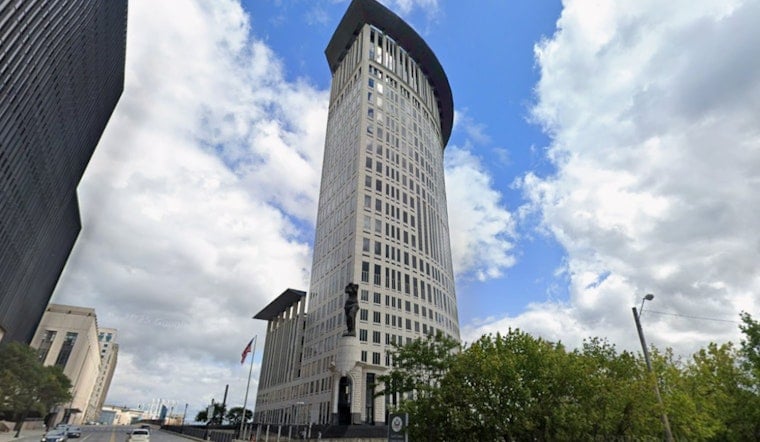
According to WOSU, the complaint was filed in the U.S. District Court for the Northern District of Ohio and names Detective Timothy Hannon and the City of Cleveland as defendants. The filing contends that investigators recast New Era Cleveland’s protected boycott and safety patrol efforts as felonious extortion, in an effort to discredit the group and chill its activism.
The dispute traces back to August 2024, outside a Lee-Harvard gas station, and spiraled into a months-long prosecution that a jury rejected in 2025. As reported by Axios, the trial became a citywide flashpoint over armed neighborhood patrols, free speech protections and the judgment calls made by prosecutors. Local reporting and court records note that the state’s case featured limited surveillance footage and witnesses who shifted their stories. The defense argued those gaps fatally undercut the prosecution.
Allegations of bias and missing evidence
The lawsuit paints Detective Hannon as a central player. It alleges that he repeatedly described Tolbert as a dangerous “vigilante” and, on body camera, remarked to others. Attorneys for the activists say Hannon ignored or failed to preserve surveillance video that could have helped clear their names, leaned on a contentious witness with ties to the gas station’s owners and tacked on additional felony charges months after the initial arrest.
Those allegations, along with the broader account of how the case was built and tried, are laid out by the plaintiffs and their lawyers at the Pattakos Law Firm, which represents all three activists.
Legal stakes and local context
The suit presses several claims, including malicious prosecution, fabrication of evidence and violations of the First and Second Amendments. If the plaintiffs prove those allegations, the case could expose the city to significant damages and invite fresh scrutiny of Cleveland police investigative practices.
Tolbert previously reached an $85,000 settlement with the city over a wrongful arrest, a detail that local coverage has highlighted as part of the fraught history between New Era Cleveland and the Cleveland Division of Police. The new complaint asks a federal court to hold individual officers and the city liable and to address what the activists’ lawyers describe as a pattern of targeting community safety work.
The city had not issued an immediate response to media requests for comment, according to WOSU. For now, the federal case sits in the Northern District of Ohio, headed into the usual rounds of motions and legal briefing, while civil rights watchers in Cleveland keep a close eye on what it may reveal about how the city handles activists and community patrols.





