

























































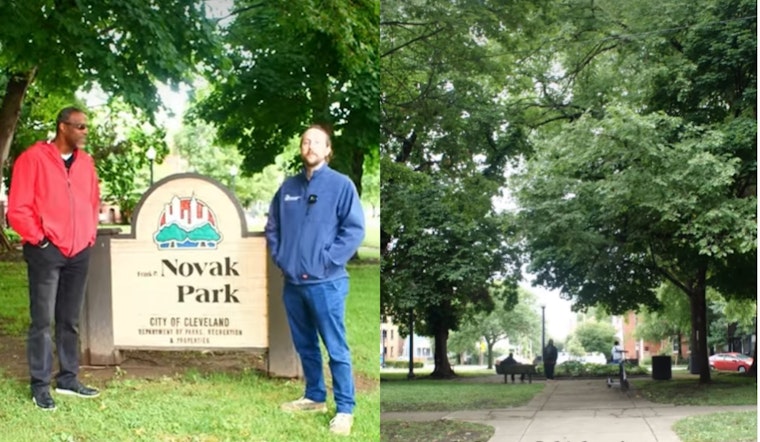
The City of Cleveland and its Department of Public Health say more than 200 of the city’s unsheltered neighbors are no longer living outside, but in permanent housing, thanks to the "A Home for Every Neighbor" initiative. The milestone follows more than two years of focused street outreach, landlord recruitment and short-term rent subsidies meant to move people off the streets quickly. Along the way, officials also expanded services for youth, families and older adults, and leaned on recreation centers as seasonal cooling and warming centers.
City Goes Public, Reporters Kick the Tires
The city took a victory lap yesterday in a Facebook reel from the Department of Public Health, saying the initiative has already moved more than 200 unsheltered residents into housing and spotlighting bolstered rapid rehousing and outreach services, according to the City of Cleveland on Facebook.
Local outlet Signal Cleveland has described the total as "just over 200" and credited an outreach-led, landlord-engagement model with helping people move into apartments in days instead of months, rather than the slow-motion timelines that often define housing bureaucracy.
How ‘A Home for Every Neighbor’ Operates
Mayor Justin Bibb launched "A Home for Every Neighbor" in February 2024 with a clear benchmark: house at least 150 unsheltered residents within 18 months. The city hit that mark early, then expanded funding and partnerships to keep the momentum going.
On the ground, the program pairs street outreach teams with rapid rehousing subsidies, landlord incentives, and case management, all with the goal of speeding up move-ins and keeping tenants stable once they get inside. According to the City of Cleveland, the model links housing search and unit acquisition support with short-term rental assistance so people are not left navigating the market alone.
What’s Working, What Is Not and What Comes Next
Program documents and local reporting paint a nuanced picture of what happens after those quick move-ins. Some participants have transitioned into permanent supportive housing, others exited after their leases ended, a handful returned to homelessness, and a small number died of natural causes. It is a reminder that rapid placement is an important first move, not a magic fix for every underlying issue, according to Signal Cleveland, which reviewed the program’s progress report and interviews with staff and partners.
People doing the day-to-day work stress that long-term success will depend on more affordable units and sustained case management, not just quick keys and a handshake.
Keeping the effort going also hinges on funding and system capacity. The Cuyahoga County Office of Homeless Services is coordinating the local Continuum of Care and the FY2026 CoC competition at a time when federal funding priorities are shifting, a process that could affect which providers operate and how many subsidized units are available. Per the Cuyahoga County Office of Homeless Services, local agencies are preparing applications and reviewing program performance for upcoming HUD funding rounds.
City leaders say the administration remains committed to expanding housing opportunities and strengthening rapid rehousing while coordinating with county partners and nonprofits to make placements stick. The effort is still very much active, supported by a mix of city funding and private donations that has kept the initiative moving. According to the City of Cleveland, the program is continuing to recruit landlords and community partners, in hopes that more vacant units will turn into actual homes for neighbors who have been living outside.





