

























































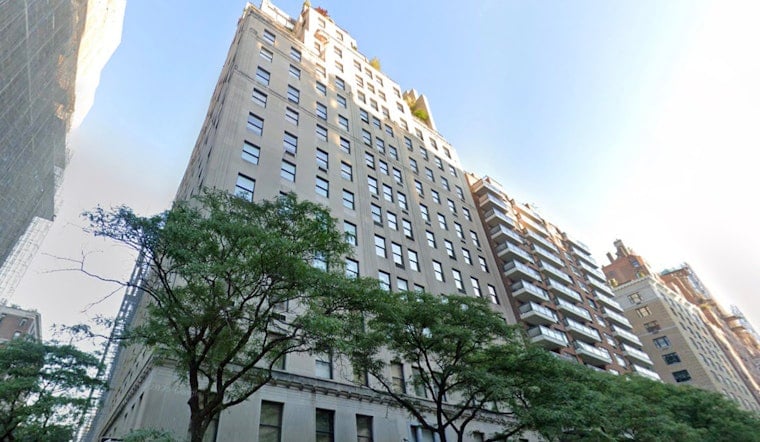
Manhattan buyers are quietly going old-school again. Co-op apartments are back in the spotlight, and the numbers say it is not just nostalgia. New data show the median Manhattan co-op sale hit about $895,000 in the second quarter, an 8.5 percent jump from a year earlier. That bump beat out condos even as overall deal volume cooled, hinting at a real shift in what buyers want across the borough.
According to TRD Data, the median co-op sale price in Manhattan climbed to $895,000 in Q2, up 8.5 percent year over year. Condo medians inched up 2.9 percent, and new-development condos rose 7.6 percent. Deals were thinner across the board, with condo transactions slipping about 3.8 percent and co-op transactions down about 1.9 percent. Townhouse prices, meanwhile, went the other way entirely, with the median topping $6 million, a more than 38 percent surge, even as townhouse sales fell to just 55. The pattern points to tight luxury supply and a buyer tilt toward larger, value-focused prewar product, according to The Real Deal.
Why co-ops are back in favor
“People are realizing co-ops are good value, and so there’s been a return to co-ops,” Brown Harris Stevens broker Lisa Lippman told The Real Deal, pointing out that co-ops often sit in better locations and can carry lower monthly fees than similar condos. Larger layouts, lower carrying costs, and a buyer pool dominated by owner-occupiers are pulling more shoppers back into co-op buildings, especially prewar properties with solid financials. Brokers say that mix is a big reason mid-market co-op prices have firmed even while condo inventory feels tight.
Big sales underline the divide
The priciest co-op trades of the quarter drove the point home. An off-market duplex at 740 Park Avenue reportedly sold for about $38 million, a reminder that trophy buyers still show up for the right address, according to a secret $38 million score report. On the Upper East Side, a unit at 895 Park Avenue changed hands for roughly $20 million in an earlier quarter, based on broker records and listings on Realty.com. Together, those deals highlight a two-speed market where marquee homes still command premiums even as overall sales volumes wobble.
What buyers should watch
A new pied-a-terre surcharge in the 2026 state budget, targeting non-primary homes valued at $5 million or more, has started to change the math for luxury second-home buyers and may be pushing some shoppers away from condos. State officials expect the levy to generate hundreds of millions of dollars a year, adding another wrinkle to second-home ownership calculations. For a deeper dive into the measure and its projected effects, see Inman.
For now, brokers say Manhattan’s market is splitting in two: limited supply and trophy demand keep the high end buzzing, while everyday sellers face a pickier, more cautious buyer pool. Anyone shopping or selling should keep an eye on inventory, evolving tax rules, and how lenders price the next move in interest rates as they weigh co-op affordability against condo flexibility.





