

























































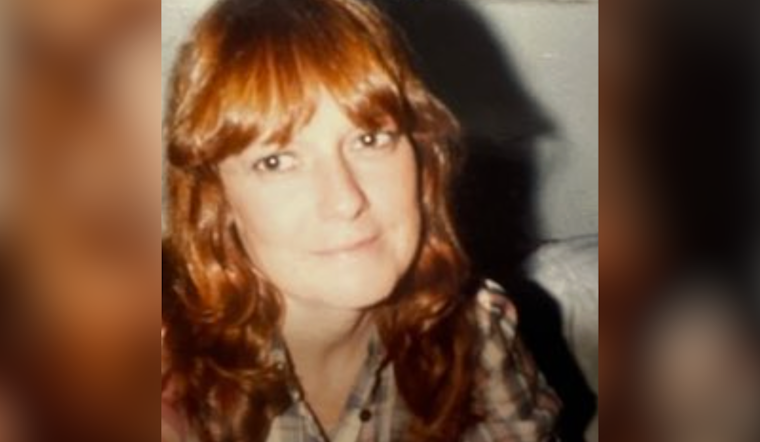
Nearly 38 years after Diane Matthews was found murdered in downtown Orlando, detectives say the case has finally broken open. Police have charged Willie J. Carpenter with first-degree murder after his arrest Thursday in North Carolina by a U.S. Marshals regional task force. Authorities say he is now awaiting extradition to Orlando, and that preserved evidence combined with modern DNA testing gave them probable cause to move in.
Nearly 38 years after the murder of Diane Matthews, the Orlando Police Department has charged a suspect in the case.
— Orlando Police (@OrlandoPolice) July 9, 2026
Through advancements in forensic technology, modern DNA testing, and decades of investigative work, detectives established probable cause to charge Willie J.… pic.twitter.com/il8Kqit08G
According to the Orlando Police, investigators held on to biological evidence from the 1988 homicide for decades, then ran it through DNA testing with the Florida Department of Law Enforcement in 2025. Officials say Carpenter’s DNA was later entered into the national Combined DNA Index System after an unrelated arrest in North Carolina and flagged as a potential match. That hit, they say, helped detectives and prosecutors secure an arrest warrant this year. Orlando Police report that Carpenter is charged with first-degree murder and is being held pending extradition to Orange County.
How DNA Testing Made the Difference
Modern forensic databases let crime labs compare DNA from old crime scenes with profiles taken in other cases, which can generate leads long after the original investigation has gone cold. The FBI’s Combined DNA Index System, or CODIS, links local, state and national DNA indices so analysts can spot cross-jurisdictional matches that once would have been nearly impossible to find. In Florida, state crime labs handle STR testing and submit qualifying profiles to the system. As testing methods and lab capacity have improved in recent years, agencies have been able to revive cold homicide files that once had no workable forensic trail.
Victim and Case Background
Matthews’ body was discovered on Sept. 8, 1988. Orlando Police say her facial injuries were so severe that she could not be immediately recognized and that an employee later identified her by her hair. The killing remained unsolved for decades while detectives continued to preserve evidence, which they now say has produced a DNA match under current testing standards.
What Happens Next
Carpenter is expected to be extradited to Orange County to face the first-degree murder charge, where prosecutors will determine how to proceed. Under Florida law, first-degree murder is a capital felony that can result in life imprisonment or, if specific statutory conditions are met and prosecutors give proper notice, a possible death sentence as detailed in the Florida Statutes. The defendant is presumed innocent unless and until proven guilty in court.
Police say the investigation remains active and are asking anyone with information to contact the Orlando Police Homicide Unit. Officials expect to release additional updates as the case moves through the courts.





