

























































Columbus has opened the zoning door to backyard apartments, in-law suites and other accessory dwelling units, but the city’s housing experiment still faces a very unglamorous obstacle: the cost of connecting those small homes to basic utilities. A new handbook is meant to make the process easier to understand, while local housing advocates argue that some city rules could still keep projects out of reach.
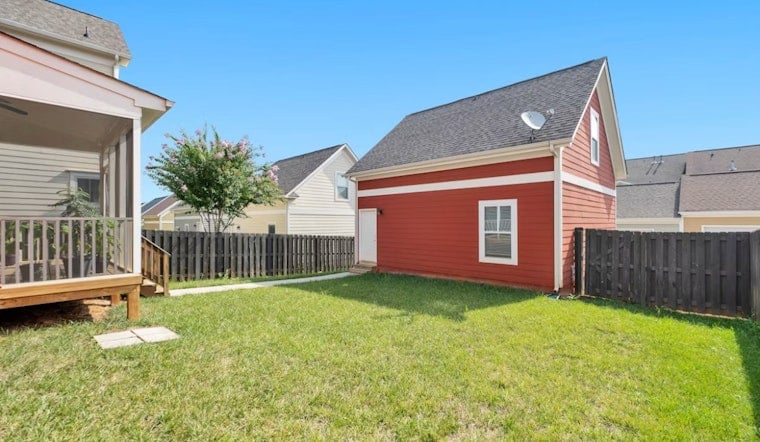
Accessory dwelling units, or ADUs, are self-contained homes built inside, attached to or separate from a primary residence. Wednesday’s WOSU discussion examined whether they can help Columbus add housing for renters, young adults, older residents and family members without requiring a major apartment development on every block.
Columbus’ Department of Building and Zoning Services says ADUs are now allowed by right in all residential and apartment-residential districts, provided projects comply with the city’s zoning rules. The city’s standards generally allow an ADU up to 1,000 square feet or 65% of the principal building’s net floor area, whichever is greater, with a maximum height of 25 feet and no additional parking requirement created solely by the ADU, according to Columbus building officials.
The Zoning Change Helps, But Construction Still Adds Up
The city’s new ADU handbook walks homeowners through lot size, setbacks, parking access, permits and design options. It also warns that costs can rise sharply when a property has mature trees, limited construction access, a weak garage foundation or utilities that require trenching, repairs or upgrades.
That last category may be the biggest local sticking point. A June report from WOSU Public Media found that Columbus generally requires an ADU to connect to the city sewer system independently from the main home, a setup that can force homeowners to dig up driveways or other parts of the property.
The numbers explain why a seemingly modest backyard unit can turn into a major financial undertaking. The study said a sewer configuration currently not allowed in Columbus could cost roughly $5,000, while permitted alternatives can run from about $20,000 to $60,000 depending on the property.
Advocates Want Columbus To Reconsider Sewer Connections
The Greater Ohio Policy Center report compared Columbus’ requirements with policies in Austin, Ann Arbor, Portland and Boston. It concluded that allowing an ADU’s sewer line to route through the primary home could reduce costs on some lots, though the arrangement raises questions about backups, maintenance and what happens if a property is sold.
Columbus City Council member Christopher Wyche told WOSU that council is considering the idea, along with possible subsidies for water and sewer connections. That could determine whether ADUs become a meaningful source of gentle density or remain mostly a tool for homeowners with enough cash to absorb a surprise utility bill.
For Columbus, the appeal is straightforward: one existing lot can support another home, potentially giving an aging parent privacy, helping a young adult move out or creating a long-term rental. But the city’s new rules and handbook are only part of the equation; unless construction, permitting and utility costs come down, the backyard housing strategy may add options without adding very many actual units.





