

























































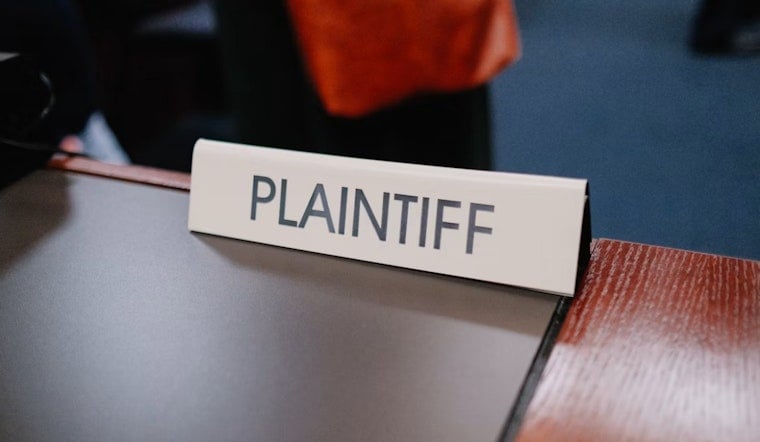
Madison Lindamood, a graduate assistant on Ohio Dominican University's football staff, has filed a federal lawsuit that says the small Columbus college shorted her on pay and then retaliated when she spoke up. The suit alleges unpaid overtime, wages below Ohio’s minimum standard and civil-rights violations under Title IX. Lindamood is asking for back pay, damages and court orders requiring changes at the university, putting Ohio Dominican squarely under both employment and campus civil-rights scrutiny.
According to The Columbus Dispatch, the complaint says Lindamood was not paid for hours worked beyond her appointment and that some of her wages fell below Ohio’s minimum-wage requirements. The Dispatch reports the suit also claims she faced retaliation after reporting an alleged assault and confirms the case was filed in federal court, based on the complaint and related filings.
Lindamood is listed on Ohio Dominican’s athletics site as the football program’s offensive, player-development and recruiting graduate assistant. Ohio Dominican's staff directory confirms that title. Graduate-assistant roles typically blend academic work with on-field coaching duties, a setup that can complicate how wage-and-hour rules apply and how workers are classified.
Allegations In The Complaint
The lawsuit weaves together wage-and-hour claims, including unpaid overtime and pay allegedly below state standards, with Title IX and retaliation allegations that center on what happened after Lindamood reported the incident. It seeks back pay and other remedies available under federal wage and civil-rights laws, according to The Columbus Dispatch. The case is now on the federal docket and is expected to move through the usual rounds of responses, discovery and pretrial motions.
What The Law Says
Federal overtime rules require most non-exempt employees to receive one-and-a-half times their regular pay rate for hours worked over 40 in a week, and the Wage and Hour Division can seek back wages plus an equal amount in liquidated damages if violations are found, according to the Department of Labor. Title IX bars sex-based discrimination and retaliation at institutions that receive federal funding, and courts have allowed monetary damages in private Title IX lawsuits, including in the Franklin v. Gwinnett County decision, according to Justia. How a judge handles the overlap between wage claims and Title IX counts will depend on the specific allegations and whatever evidence surfaces in discovery.
Why This Matters Locally
The lawsuit lands as Ohio Dominican is already under a financial microscope after missing a March bond payment, a development that has raised questions about budget priorities at the small Columbus Catholic college. As Hoodline reported in March, the university’s trustees and bondholders have been watching revenue and enrollment trends after the school skipped a bond bill. Depending on how Ohio Dominican responds, the case could trigger administrative reviews or settlement talks alongside the civil litigation track.
For now, the next steps are mostly procedural: the university must be formally served and then decide whether to answer the complaint or move to dismiss it, and both sides could begin trading documents and taking testimony in discovery. Cases that combine wage-and-hour allegations with Title IX claims tend to be legally intricate and often take months to shake out, whether through a negotiated settlement or a court ruling.





