

























































Columbus is moving to build a local safety net as Haitian residents face the fallout from the federal government’s decision to end Temporary Protected Status. The response is taking shape around legal help, housing support, transportation and a promise that city resources will not be used for federal immigration enforcement.
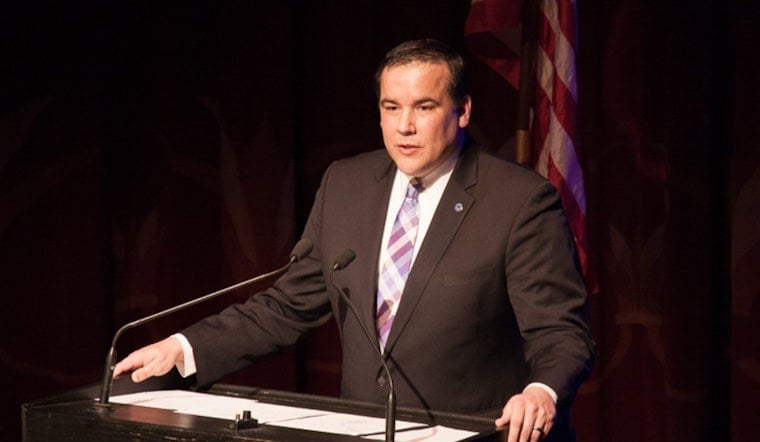
Mayor Andrew J. Ginther said yesterday that he met with faith leaders and community advocates to discuss the end of TPS for Haitian neighbors and what comes next, according to Ginther’s Facebook post. The post identified participants from Lutheran Social Services of Central Ohio, Catholic Social Services of the Diocese of Columbus, Jewish Family Services, the city’s Department of Neighborhoods and Community Refugee & Immigration Services. The group also discussed how to strengthen partnerships while responding to pressing needs involving legal aid, housing, crisis intervention and transportation.
Columbus Faces A Large And Unsettled TPS Population
The Haitian Community Network estimates that roughly 30,000 Haitian immigrants live in Columbus, with about 18,000 covered by TPS, WOSU Public Media reported earlier this month. The network said the uncertainty reaches far beyond immigration paperwork, affecting people who work in factories, health care and local businesses. An Ohio State University immigration law professor told WOSU that many affected residents are also exploring asylum or other possible legal routes.
The U.S. Supreme Court ruled June 25 that Haitian and Syrian TPS recipients were not entitled to court orders postponing the terminations while litigation continued, according to the Supreme Court’s opinion. The practical consequences have remained messy: The Associated Press reported this week that short-term work-permit extensions had stopped, leaving employers and Haitian workers scrambling for clarity.
Ginther’s local position does not give Columbus the power to stop federal immigration operations. In a statement reported by Axios Columbus, the mayor said federal officers do not share their plans with the city, while directing people who may be affected to legal assistance and refugee-services groups.
Faith Groups And Service Providers Are Filling The Gaps
The mayor’s meeting follows a growing wave of support from Central Ohio religious and nonprofit organizations. The Diocese of Columbus said its Office of Multicultural Ministry has been in regular contact with Haitian community leaders, while St. Josephine Bakhita Parish recently hosted a prayer service as families confronted the uncertainty, according to The Catholic Times.
The need for transportation assistance is also tangible. Earlier this year, Hoodline reported on weeks-long BMV delays that disrupted driver’s license renewals, driving classes and access to work for Haitian Ohioans awaiting federal status verification.
What Columbus Can And Cannot Promise
For residents facing the loss of TPS, the city can connect people with legal counsel, emergency services and community organizations, but it cannot decide who remains eligible under federal immigration law. Individual options may depend on asylum claims, family relationships, employment history or another immigration category, so advocates have urged affected residents to seek qualified legal advice rather than rely on informal guidance.
That leaves Columbus with a narrow but important role: keeping city services accessible while local nonprofits and faith groups help families manage the immediate fallout. Ginther’s message is less a promise that the federal fight is over than a declaration that, in Columbus, Haitian residents will not be left to navigate it alone.



