

























































State agricultural officers say a Maitland man tried to sneak 24 sheep and goats into Florida from a high-risk screwworm area, and it ended with him in handcuffs.
According to investigators, the animals originated in Texas, which Florida has flagged as high risk under emergency rules, and the driver allegedly tried to dodge a Pensacola inspection station by slipping back into the state through Georgia. The incident comes as federal and state agencies tighten the borders on potentially infected livestock in an effort to keep the parasitic New World screwworm out of Florida.
Florida Agriculture Commissioner Wilton Simpson announced the arrest Friday, identifying the suspect as Roger Rodriguez Vega of Maitland and saying he re-entered the state with 24 sheep and goats after being denied entry for failing to provide required veterinary inspection paperwork, according to the Florida Department of Agriculture and Consumer Services. Investigators say they put out a statewide "Be On the Lookout" alert, tracked down the vehicle, then conducted a traffic stop where Vega could not produce a valid Official Certificate of Veterinary Inspection. The department says he now faces 24 counts of unlawful entry of animals into the state and one count of resisting an officer without violence.
How investigators say he bypassed inspection
As reported by ClickOrlando, Vega was first turned away at the Pensacola Agricultural Inspection Station because he did not have the required Official Certificate of Veterinary Inspection. Instead of calling it a day, he allegedly drove around and re-entered Florida through Georgia to avoid the checkpoint. The Office of Agricultural Law Enforcement responded with a statewide BOLO, later spotted the vehicle, and made the traffic stop that led to his arrest. Local coverage notes the livestock came from Texas, which Florida has designated a high-risk area under the emergency screwworm rules.
Why officials are on high alert
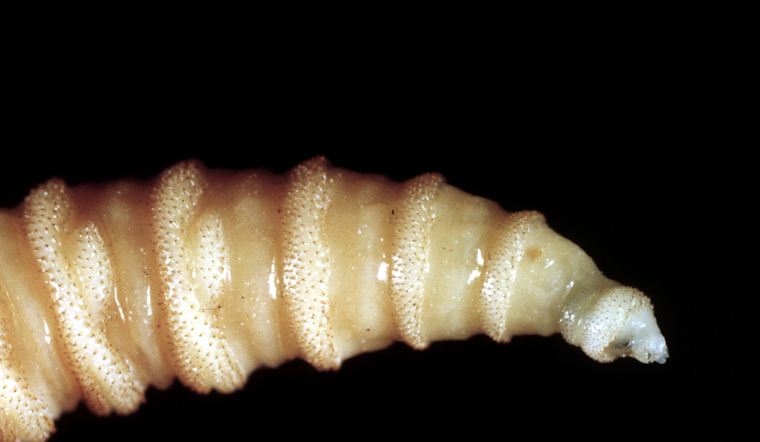
The U.S. Department of Agriculture confirmed in early June that New World screwworm had been detected in a bovine in Zavala County, Texas, and federal partners responded with quarantines and targeted releases of sterile screwworm flies as part of their containment strategy, according to the USDA. Screwworm larvae feed on living tissue and can rapidly worsen wounds in livestock and wildlife, which is why officials say fast detection and tight movement controls are nonnegotiable. Florida agencies say there have been no detections in the state so far, and that interstate animal movement remains one of their biggest vulnerabilities.
What the emergency rule requires
Under emergency state movement rules, imports from counties with confirmed detections and the surrounding counties are restricted until June 12 and must be accompanied by an Official Certificate of Veterinary Inspection that is valid for five days and explicitly states all animals are free from screwworm larvae, according to the Florida Administrative Rules. The rule also blocks rescue and shelter animals from entering Florida from states with confirmed detections until further notice and requires an FDACS Certificate of Animal Movement, with prior permission, for certain shipments once the moratorium is lifted.
Veterinarians and animal owners are urged to watch for slow-healing wounds that contain larvae, a foul odor, or blood-tinged discharge, signs that federal and state public health and animal-health agencies say are consistent with screwworm infestation.
Legal consequences
The Office of Agricultural Law Enforcement has charged Vega with 24 counts of unlawful entry of animals into the state and one count of resisting an officer without violence, according to the Florida Department of Agriculture and Consumer Services. Commissioner Simpson said the arrest should send a clear signal that "Florida will not tolerate anyone who breaks the law and attempts to circumvent those protections." Authorities say the case will move through the criminal courts and see it as a textbook example of the state’s new emphasis on biosecurity enforcement.
How to report suspected screwworm
Livestock owners, veterinarians, and animal shelters are being pushed to report any suspected screwworm cases. Local coverage highlights FDACS reporting phone numbers and online resources for domestic animals, according to ClickOrlando. The Florida Fish and Wildlife Conservation Commission maintains a separate wildlife reporting line for sick or injured animals, according to the FWC.
Officials recommend isolating any affected animals, wearing gloves when handling wounds, and contacting a veterinarian immediately if screwworm is suspected. They say rapid reporting, along with cooperation at agricultural inspection stations, remains one of Florida’s best bets to keep the parasite from gaining a foothold in the state.





