

























































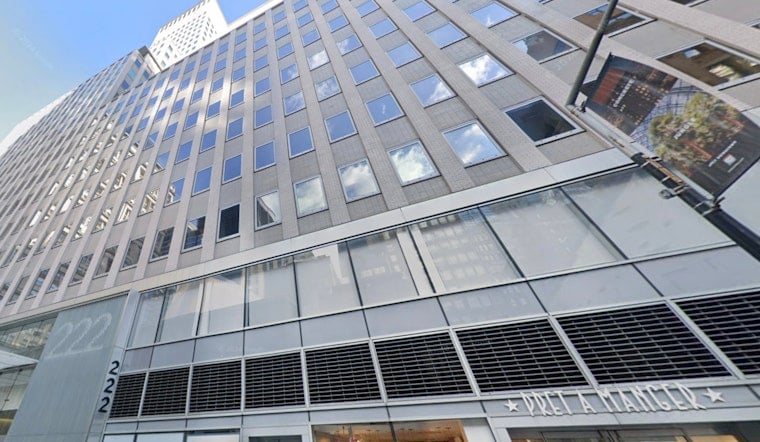
The New York City Department of Buildings has slammed the brakes on construction at 222 Broadway after contractors discovered cracks in concrete beams high up in the tower, abruptly pausing a major office‑to‑residential conversion in the Financial District. The halt hits a midcentury building that had been racing toward nearly 800 new apartments and leaves neighbors and commuters waiting on inspection results and engineering calls.
Surprise inspection triggers instant shutdown
During a proactive enforcement sweep of conversion sites, the Department of Buildings visited 222 Broadway and was alerted by contractors that two concrete beams on the 32nd floor had developed cracks, according to Bloomberg. Inspectors responded by issuing a stop‑work order that freezes all non‑emergency construction while city engineers and the project team review how to fix the problem.
The high‑rise redo on pause
The 31‑story tower at 222 Broadway was in the middle of a large rental conversion by TPG Real Estate and GFP Real Estate, with plans for roughly 788 apartments and a refreshed façade, based on renderings and permit details reported by New York YIMBY. The project, marketed as “Wrey,” had already advanced to upper‑level work and a rooftop extension, as crews moved toward finishing common areas and preparing leasing materials.
Conversions under a sharper city microscope
The freeze at 222 Broadway lands as the city is already on edge about big office‑to‑residential conversions after a July 7 emergency evacuation at a Midtown project where buckling columns led to street closures and building evacuations, an incident detailed by The Washington Post. City officials have said they are increasing inspections of adaptive‑reuse work as part of a broader effort to turn underused office space into housing, a wave analyzed in a report from the New York City Comptroller that highlights incentives such as the 467‑m program.
What a stop‑work order actually does
The Department of Buildings issues stop‑work orders to protect workers and the public, and construction can restart only after the cited conditions are addressed, required certifications are submitted and a re‑inspection is completed, the agency explains on its Department of Buildings guidance. Ignoring an order can trigger civil penalties and tougher enforcement, and major projects often must file formal correction affidavits and engineering certifications before the department will lift the restriction.
What comes next for 222 Broadway
Engineers now have to determine whether the cracked beams can be repaired where they sit or need to be removed and replaced, and crews may install shoring to stabilize the affected floors while a long‑term fix is designed, a method used in similar conversion emergencies according to reporting on the July incident. The stop‑work order is expected to stay in place until the developer submits a correction plan that satisfies the Department of Buildings and the city signs off on inspections, a process that could take days or weeks depending on the extent of repairs and could ripple through leasing plans and completion schedules.
For the moment, the shutdown at 222 Broadway highlights the technical risks that come with turning large office towers into homes and the heightened scrutiny following projects in this category as the city pushes to add housing inside underused commercial buildings. This story will be updated as city officials and the project team release new information.



