

























































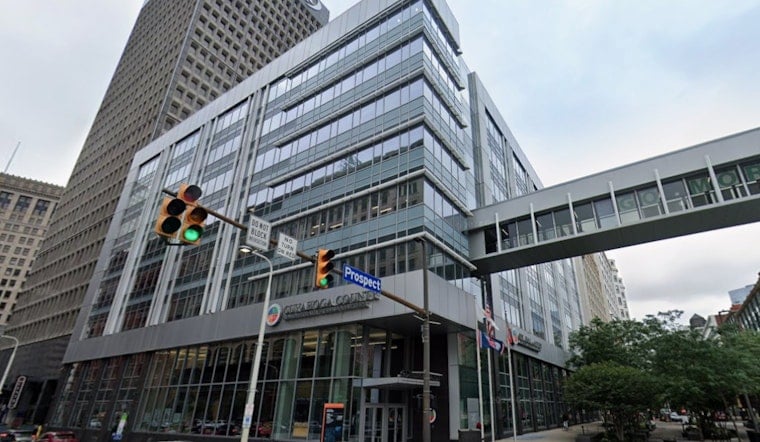
Cuyahoga County Council has signed off on sending a property-tax increase for the county Board of Developmental Disabilities to the November ballot, setting up a high-stakes vote that board leaders say is crucial to keeping caregivers paid and services running. The plan would tack a new 2.25-mill levy onto the board’s existing 3.9-mill continuing levy and is framed as a 10-year property tax meant to prop up a shrinking budget. Officials warn that without the extra revenue, programs that support children and adults with developmental disabilities could face cuts, especially home-based care and family supports that are tailored to individual needs. The actual hit to homeowners would vary by property value.
What Voters Will See In November
The 2.25-mill proposal is expected to generate about $94.5 million a year over its 10-year life, according to Cleveland.com. It is designed as a supplement to the board’s long-running continuing levy that has covered much of its operations for roughly two decades. Board officials say the new money would be steered into direct care, family supports and other core services for about 15,000 county residents with developmental disabilities.
Why Officials Say They Need The Boost
Board CEO Amber Gibbs and county budget staff told council that Medicaid waiver matches now eat up about 81% of the board’s annual revenue, leaving far less room for wages and supports, according to a presentation to Cuyahoga County Council. They pointed to state funding shifts and rising home-care wages as the main forces squeezing the budget and argued that local property tax revenue is the most immediate tool available to stabilize services, as reported by Ideastream Public Media.
What Homeowners Would Pay
Board figures and outreach examples show the levy would add about $6.56 a month, or roughly $79 a year, for a homeowner with a $100,000 property valuation. Officials and advocacy groups have leaned on that sample bill to highlight the levy’s relatively small monthly bite compared with the services it is meant to sustain, according to the Ohio Association of County Boards.
If Voters Say No
Gibbs has said she believes voters will weigh the issue carefully this fall but has also warned that the board would likely return to the ballot in 2027 or early 2028 if the levy fails, according to Cleveland.com. County materials indicate that, without new revenue, the board would have to lean on its reserves, which would be drawn down over the next several years if the funding gap stays open, as outlined by Cuyahoga County Council. Coverage by Ideastream Public Media underscores that deeper service cuts would likely follow in that scenario.
What Happens Next
The council referral clears the procedural hurdles needed to put the measure before voters this fall and kicks off a schedule of hearings, fiscal reviews and community briefings that county staff and the board plan to hold in the coming weeks. Officials have flagged an early August deadline to certify issues for the November ballot and say public outreach will ramp up between now and the start of early voting, according to Cuyahoga County Council. Additional schedules and engagement details are being shared through the Ohio Association of County Boards.



