

























































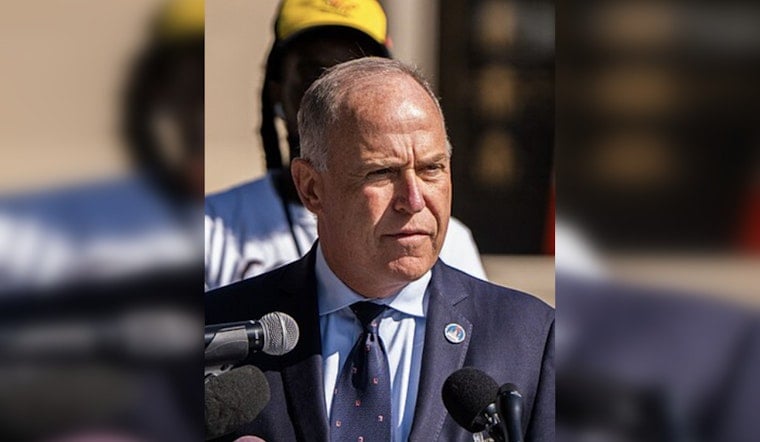
D.C. Attorney General Brian Schwalb is urging regulators to slam the brakes on Washington Gas’ $215 million District SAFE pipeline‑replacement plan, arguing it would tack yet another surcharge onto customer bills after earlier phases failed to deliver enough bang for the buck. The D.C. Public Service Commission has reopened its review with a two‑day evidentiary rehearing that began Monday, teeing up a fight that pits consumer and environmental advocates against the utility over cost, timing and how the project squares with the District’s climate goals.
Schwalb’s office, joined by the Office of the People’s Counsel and the Sierra Club, pushed for and won the rehearing and is now pressing the commission to reject District SAFE as too expensive and too loosely controlled. In a statement, the Office of the Attorney General warned the plan would drive District ratepayer bills higher without adequate protections.
Day One Hearing Gets Testy
The first day of testimony quickly took on a courtroom feel as District lawyers grilled Washington Gas witnesses on how much pipe would actually be replaced, how the company tracks progress and what happens if costs run over. At one point, commission chair Emile Thompson stepped in and reminded both sides that “there needs to be a certain level of decorum,” according to Axios.
PSC Had Already Tightened the Screws
The Public Service Commission approved a scaled‑back version of District SAFE in March, then hit pause and layered on additional cost controls. The order cut roughly 30% from Washington Gas’ original budget request and capped overall spending at about $150 million over three years. It also set limits on how much the company can collect through surcharges and required Washington Gas to meet annual spending thresholds before passing more costs onto customers, according to the DC Public Service Commission.
Utility Sells It as Safety and Climate Work
Washington Gas argues District SAFE is all about tackling the riskiest pipe first, targeting roughly 12 miles of aging main and thousands of service lines. The company says the replacements will cut leaks and methane emissions, create local jobs and be coordinated with city agencies to keep street disruption in check, according to Washington Gas.
Schwalb is not buying that framing at face value. His office told regulators and said publicly that the first two phases of the broader project burned through nearly $400 million yet replaced only a relatively small share of old, leak‑prone pipe, a record highlighted by Axios. The Attorney General’s team says the commission should insist on much clearer and tighter cost‑control rules before signing off on another round of surcharge recovery.
How Hard Could This Hit Your Gas Bill?
According to the Attorney General’s Office, Washington Gas’ pipeline‑replacement surcharge helped push customer bills up by roughly 13% between 2025 and 2026, and about 37% of that increase is tied directly to the replacement program. In a brief backed by an expert report and related filings, the office questions whether the pace, priorities and price tag of the work justify asking customers to pay more, per the Office of the Attorney General.
What Happens After the Hearing
The commission reconvenes Tuesday for the second day of evidentiary testimony, which is being livestreamed. Once the record is closed, commissioners will decide whether to approve District SAFE as is, modify it further or reject the plan outright. The DCPSC’s online event page and docket list lay out the schedule and filings for anyone tracking the case, according to the DC Public Service Commission.
Bottom line, this is a down‑in‑the‑weeds ratemaking fight with real wallet impact. If regulators tighten the rules again, the next phase of pipeline work could look very different. If they leave room for broad cost recovery, District ratepayers could once more find themselves footing a sizable share of the bill. The PSC’s ultimate decision will determine whether Washington Gas moves ahead largely as planned or heads back to the drawing board.





.jpg_(cropped).png)