

























































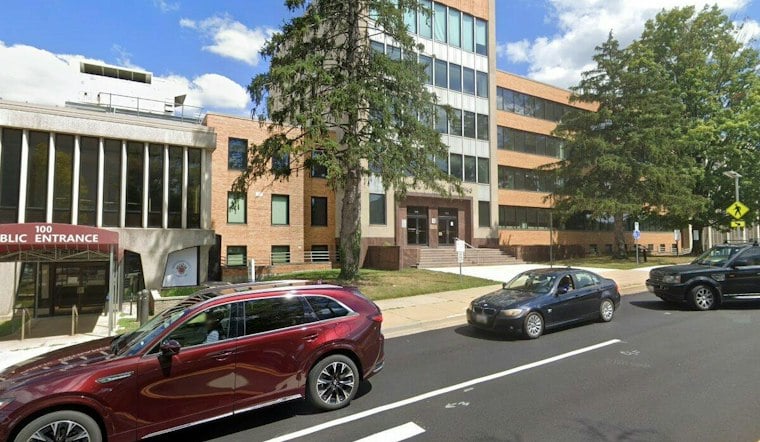
Montgomery County's Council gathers Tuesday afternoon for a public hearing on a trio of bills designed to soften the blow of rising property taxes for families, homeowners and public school employees. The 1:30 p.m. session in Rockville follows a bruising spring in which the Council voted to scrap a flat $692 property tax credit that had gone to more than 192,000 owner-occupied households, and it arrives as residents across the county continue to grapple with climbing housing costs.
The package consists of three separate bills, all introduced on September 15, 2026: Bill 46-26, a Child Tax Credit Supplemental Grant; Bill 47-26, an expansion of the Homeowners Property Tax Credit; and Bill 48-26, a Public School Employees Property Tax Credit, according to The MoCo Show. As reported by FOX 5 DC, the proposed credits would cover households earning up to $106,800 a year, a threshold county documents classify as low income for a four-person household in the area.
Three Bills, Three Different Beneficiaries
Each bill targets a distinct slice of the county's population. Under Bill 46-26, the proposed $500 child tax credit would go to families earning less than $15,000 for children up to age six, and the credit is expected to help the neediest families cover essentials like food and shelter while also circulating back into local businesses, per FOX 5 DC's reporting. Citizen Portal notes that the bill includes a phaseout. The MoCo Show reports that the phaseout reduces the credit by $50 for every $1,000 in income above $15,000, while Montgomery Community Media reports that eligibility extends to dependent children up to age 17 who have a qualifying disability.
The county's child tax credit does not stand alone — it functions as a local supplemental grant layered on top of Maryland's statewide child tax credit, which was established under state law HB363, according to the Maryland Department of Legislative Services. That means county eligibility rules for dependent children ultimately trace back to definitions set at the state level.
Homeowners Get a Sliding Scale Instead of a Flat Credit
Bill 47-26 replaces the old one-size-fits-all approach with a sliding scale tied to both income and home value. According to Montgomery Community Media, a family earning $50,000 with a $250,000 home would receive $1,472 in tax relief under the new formula, while a family earning $100,000 with a $500,000 home would receive just $395 — a structure meant to direct the biggest benefits toward lower-income owners. For context on the local housing market, FOX 5 DC reports the county's median sales prices currently stand at $280,000 for a condo, $431,000 for a townhome, and $808,000 for a single-family home.
The proposed expansion was informed by feedback from nonprofit partners, including Habitat for Humanity Metro Maryland, and aligns with HUD income values, per a bulletin from the Montgomery County Council. For the homeowners' credit, the expanded income cap is $106,800.
A $2,500 Credit for School Employees, Tied to State Housing Push
Bill 48-26 would provide a $2,500 property tax credit to eligible Montgomery County Public Schools employees who own property in the county and live there at least nine months of the year, according to FOX 5 DC's reporting. The credit excludes supervisors, directors, and high-level administrators, the station notes. Stewart said the bill builds on the governor's new educator down-payment assistance program, per the same Montgomery Community Media account.
Stewart, the lead sponsor of the package, scheduled a dedicated press conference at 12:30 p.m. Tuesday at the Council Office Building in Rockville — exactly one hour before the public hearing begins, Montgomery Community Media reports. The timing underscores how central Stewart has become to selling the new approach to residents and fellow council members alike.
The Fight Over the $692 Credit That Started It All
None of this would be happening without the Council's contentious 6-5 vote in May 2026 to eliminate the Income Tax Offset Credit, or ITOC — a flat $692 property tax break that had been claimed by more than 192,000 owner-occupied households regardless of income, according to FOX 5 DC. That decision drew pushback from taxpayers and from County Executive Marc Elrich, who publicly criticized the move as an effective tax increase on middle-class homeowners and fixed-income seniors as rising property assessments pushed bills higher, the station reported.
Tension remains between council members pursuing targeted relief and critics who argue that scrapping the universal credit penalizes middle-income homeowners amid a broader regional cost-of-living crisis. The council's approach to housing affordability has also extended to the development side: in July 2026, the Government Operations and Fiscal Policy Committee reviewed Bill 15-26, separate legislation that would create a 100% property tax exemption for properties owned by Habitat for Humanity while under development or rehabilitation, according to a Montgomery County Government notice.
One major question still hovers over Tuesday's hearing: the county has not stated the total cost of the proposed tax credits, FOX 5 DC reports, leaving residents and council members alike to weigh the benefits of targeted relief without a full picture of what the new package will cost the county overall.





