

























































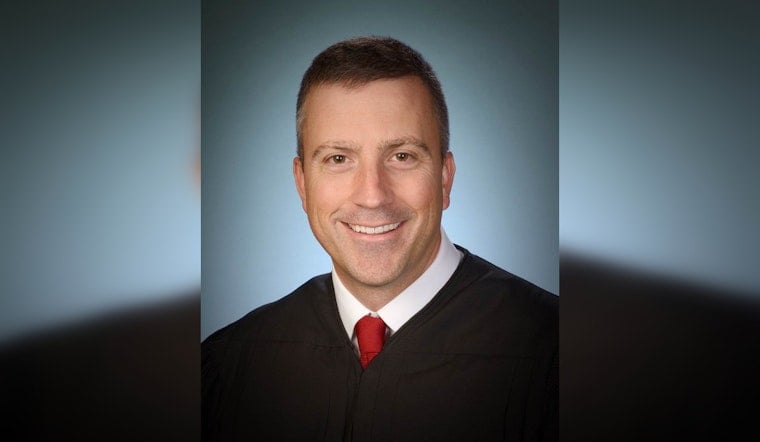
A federal judge in Washington has shut down, at least for now, a sweeping challenge to the State Department’s pause on immigrant visas for nationals of 75 countries, ruling that the people suing had not clearly shown how they were concretely harmed. U.S. District Judge Trevor N. McFadden on Thursday dismissed the amended complaint without prejudice and gave the plaintiffs permission to try again.
Judge flags standing problems, redactions and a second chance
In a memorandum order issued Thursday, Judge McFadden wrote that “for all but three plaintiffs, the amended complaint offers no detail on their visa applications,” criticizing the filing for lacking the kind of individualized facts federal courts expect in immigration cases. He also faulted plaintiffs’ counsel for submitting heavily redacted declarations that made it difficult to connect specific evidence to specific people.
The court tossed the amended complaint without prejudice, denied the plaintiffs’ motion for a preliminary injunction as moot, and granted leave to file a Second Amended Complaint no later than August 24, 2026, according to Casemine.
What the State Department directive does
The disputed policy comes from a January State Department cable that took effect Jan. 21. It instructs consular officers to refuse immigrant visa applications from nationals of a list of 75 countries on public-charge grounds while the department conducts a review. The department’s notice states that applicants from the affected countries can still be scheduled for interviews, but immigrant visas will not be issued during the review period.
The list sweeps in countries across several regions, including Russia, Iran, Brazil and Somalia, according to Travel.State.Gov.
Who sued and why the case stalled
More than 80 plaintiffs - a mix of U.S. citizens, lawful permanent residents and their foreign relatives - filed the lawsuit. The amended complaint specifically identified three visa applicants by name: Sofiia Nikolaeva, Sreychan Heng and Yasmine Hassar, according to the court.
The plaintiffs argued that the cable effectively created an unlawful nationality-based bar and asked the court to block it. Judge McFadden, however, concluded that the complaint mostly failed to draw a clear line between particular visa refusals and the 75-country pause itself, as reported by Casemine.
What to watch next
The order keeps the lawsuit alive but sends a clear message: if the plaintiffs want a ruling on the legality of the policy, they will have to supply much more detailed, person-specific facts. The judge directed the parties to propose a roadmap for expedited briefing after any new amended complaint is filed.
Immigration advocates have warned that the pause could shut out large numbers of otherwise eligible immigrants and scare families away from using crucial public benefits, and some analysts have estimated the policy might touch hundreds of thousands of would-be immigrants, according to The Washington Post.
For now, the ruling turns on procedural flaws, not on whether the 75-country visa pause itself is legal. A full courtroom test of the policy is still on the table, but only if the plaintiffs can assemble the kind of detailed, client-by-client evidence the judge said was missing. The coming weeks will reveal whether they can clear that standing hurdle.





