

























































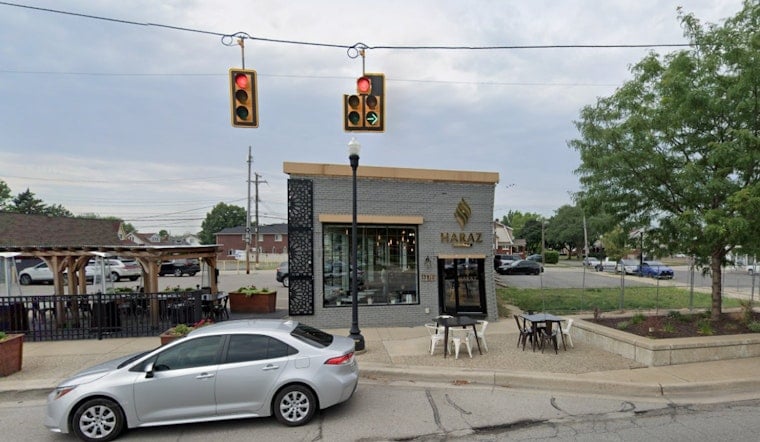
Haraz Coffee House started as a single Yemeni-style café on Michigan Avenue in Dearborn and, in just a few years, has turned into a national franchising operation valued at more than $70 million. Founder Hamzah Nasser launched the first Haraz Coffee House in 2021, then stacked up franchise agreements that pushed the brand into scores of new markets. The fast buildout has taken a neighborhood favorite and repositioned it as a national brand and a destination for Yemeni coffee culture.
That more-than-$70-million figure comes from Crain's Detroit, which tracks how Nasser went from one storefront to a franchisor by pairing traditional Yemeni drinks with a quick-service model and a franchising playbook. The outlet walks through the deals, hires and store openings behind the valuation and notes how the concept has caught on well beyond metro Detroit.
Company counts and the pipeline
Haraz's own website lists more than 50 current locations and hundreds more "in development," suggesting a footprint that outpaces what some independent trackers show. The company casts its expansion as both a cultural mission, bringing beans from Yemen's Haraz Mountains to U.S. customers, and a franchise sales push built around training and designated suppliers. Those corporate counts are the brand's public numbers, according to Haraz Coffee House.
Where it started and where it's based
Franchise paperwork traces the chain back to a prototype café at 13810 Michigan Avenue in Dearborn that opened on April 10, 2021, and lists a corporate office and warehouse at 15300 Rotunda Drive in Dearborn. The franchise disclosure document details affiliated entities, a list of company-run units, and other filings that show how Haraz evolved from a single café into a franchisor. Those disclosures are filed to comply with state and federal rules and to give prospective franchisees a clearer view of the company's structure and obligations.
Fast rollout, from Detroit suburbs to coastlines
Regional outlets have tracked Haraz openings from the Bay Area to Charlotte to San Antonio and Minneapolis, often noting long lines and late-night hours as the brand tries to claim its share of the market. Local coverage points to a familiar playbook of soft openings, menu crossovers and franchisee-driven growth in suburban strips and downtown corners. In Philadelphia, The Inquirer reported that local owners signed on after visiting Dearborn and seeing the concept firsthand, while Yemeni latte invasion coverage has mapped openings in multiple metros.
Legal disputes flagged in filings
The franchise disclosure document also spells out litigation involving Nasser and affiliated entities in Wayne County, including claims and counterclaims related to ownership and contracts. Those cases do not appear to have stopped the franchising push, but they are exactly the kind of issues prospective investors are urged to review in Item 3 and the related exhibits. The legal summary underscores that rapid growth can bring contested partnerships and governance headaches for a young franchisor.
What franchisees should know
Third-party summaries of the FDD put Haraz's estimated initial investment in the mid-six-figure range and note a substantial franchise fee and a Dearborn-based training program, highlighting that buying into Haraz is a serious capital outlay. Prospective franchisees are encouraged to work through the FDD, talk with accountants and model out build-out costs, supplier rules and local permitting before making a commitment. For a snapshot of those numbers, see Free FDD Library or the official filing.
For Dearborn, the story is equal parts hometown pride and live experiment: a local café that turned cultural authenticity and an aggressive franchise model into national attention. Whether the brand can convert rapid signings into long-term, profitable stores is the next test. For customers, it means more late-night cardamom lattes in more cities. For potential franchisees, it means spreadsheets, lawyers and a careful read of the fine print. Nasser's next moves, including how the company handles legal disputes, supply chains and quality control at scale, will determine whether Haraz remains a feel-good Dearborn success or slides into cautionary expansion tale territory.





