

























































A Denver judge on Friday agreed to let prosecutors play an edited compilation of surveillance footage at a preliminary hearing in a murder case, giving the courtroom a stitched-together look at multiple camera angles while the court weighed whether the evidence clears the probable cause bar. The defendant is charged with one count of first-degree murder in connection with a March shooting that prosecutors say left a man mortally wounded and later pronounced dead at University Hospital. The hearing leaned heavily on surveillance clips, a Crime Stoppers audio recording and forensic evidence gathered during the investigation.
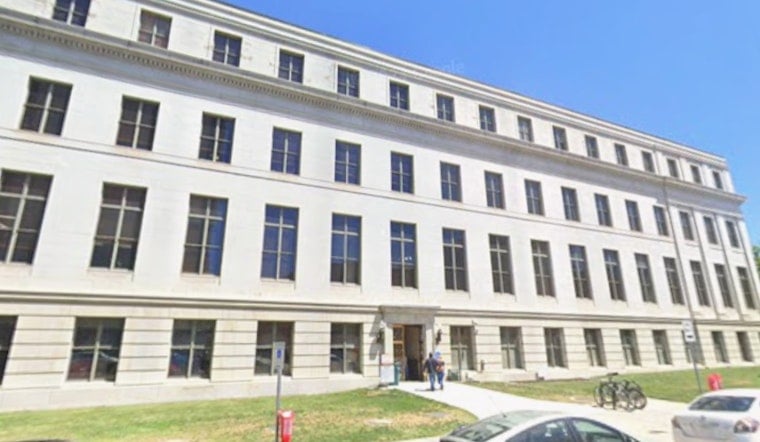
The hearing unfolded in Denver District Court at the Lindsey-Flanigan Courthouse before Judge Nikea T. Bland, according to the Colorado Judicial Branch. The courthouse handles Denver’s criminal docket and is the standard venue for preliminary hearings that screen felony charges.
As reported by Davis Vanguard, prosecutors called homicide Detective Thomas as their main witness. He testified that officers responded to reports of a shooting near Interstate 70 on March 17, and that first responders took the victim to University Hospital, where he was pronounced dead. According to the detective, the medical examiner ruled the death a homicide caused by multiple gunshot wounds, and the autopsy recovered four bullets, including a fragmented projectile.
Why This Prelim Matters
Preliminary hearings are a low-threshold screening tool where a judge decides whether there is probable cause to move a case toward trial, not whether the accused is guilty. Colorado legal guidance explains that these hearings often allow hearsay and investigative summaries so judges can look at the prosecutor’s evidence in the light most favorable to the state and decide if it is enough to bind the case over or if charges should be tossed, according to the Office of Legislative Legal Services.
Prosecution's Evidence and the Disputed Video
At the hearing, prosecutors rolled out multiple surveillance exhibits along with a Crime Stoppers recording that Detective Thomas said captured three gunshots. One restaurant camera, he testified, showed a black SUV pulling up on and passing the victim’s white work van, with two people getting out before an altercation unfolded.
Investigators later located a black 2014 Jeep Grand Cherokee that matched witness descriptions less than two miles from the shooting scene. They seized and searched the SUV, recovering a shell casing from inside and swabbing suspected blood and cellular material, according to the detective’s testimony. Officers also collected the accused’s clothing for gunshot-residue testing, which came back positive, and a search of a residence turned up a firearm, magazines and cleaning supplies. Forensic testing later linked the casings and bullets recovered during the autopsy to the firearm taken from that home.
The prosecution’s disputed exhibit was an edited compilation created to line up views from separate cameras into one continuous narrative. Judge Bland allowed the stitched-together video for purposes of the preliminary hearing while reserving judgment on whether it will be allowed in front of a jury at trial, according to Davis Vanguard.
Next Steps and Defense Response
The defense countered by submitting photographs that showed injuries to the accused and pressing a self-defense theory. During cross-examination, defense counsel challenged the detective’s interpretations of the footage and other investigative details. The judge sustained objections when questions strayed into speculative readings of what the videos showed and ultimately took the evidence under advisement while weighing probable cause.
If Judge Bland finds probable cause, the case will be bound over toward trial under Colorado’s preliminary-hearing rules. If she does not, the charges could be dismissed, a process described in state legal guidance from the Office of Legislative Legal Services.





