

























































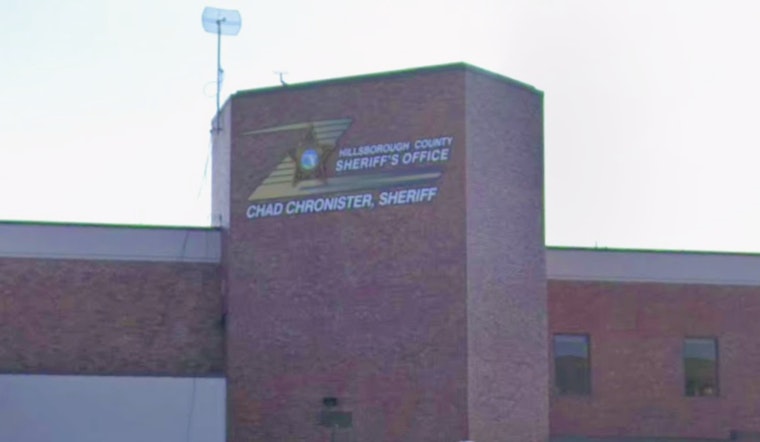
For years, three sets of remains from Hillsborough County sat in cold-case files with no names and no clear story. That changed this summer, when detectives finally identified the men using modern DNA tools and a fresh look at long-stored evidence. The breakthroughs gave investigators new leads and families long-delayed answers.
The county's Cold Case Unit has now identified the men as William Lewis Crummey, William McClain and Cartis Jackson, with the work wrapped up between late May and mid-July 2026. Their remains surfaced in three separate investigations: a decomposed body found in the sleeper compartment of a tractor‑trailer in a Tampa truck yard in 2005, remains discovered in a wooded area near Highland Manor Drive and North Falkenburg Road in 2011, and partially decomposed remains located near Bassa Street and North Street in Wimauma in 2012. Detectives reopened the files in 2025 and used genetic genealogy testing to make the identifications, according to the Tampa Free Press.
How detectives cracked the cases
The Cold Case Unit partnered with specialists who can pull profiles from degraded DNA and then search for possible relatives in genealogical databases. Across Florida, agencies are leaning more heavily on forensic genetic genealogy and grant‑funded testing to squeeze new information out of old evidence, a trend laboratories have been quick to spotlight. As outlined by Othram and other partners, improved sequencing paired with genealogical research is letting investigators chase identifications that were out of reach with earlier technology.
Case details and reaction
In the 2005 truck‑yard case, investigators never found a missing‑person report that matched the remains, and the man went unidentified for years. In the 2011 case, the medical examiner determined the man died of natural causes after his body was found in a wooded area. The 2012 Wimauma case involved partially decomposed remains discovered in another patch of woods. According to reporting and statements from investigators, relatives and detectives have described the new identifications as a form of closure, and local officials have pointed to a broad, coordinated effort behind the results, per the Tampa Free Press.
What comes next
Putting a name to a set of remains is only part of the job. Detectives say they will keep working these files to determine whether any investigations need to be reopened or expanded. The Hillsborough County Sheriff's Office has relied on similar lab partnerships and grant programs in earlier cold‑case efforts and says those same relationships will shape the next steps here. In a news release, the Hillsborough County Sheriff's Office noted that technological advances and outside lab collaborations have repeatedly given detectives a way to resolve cases that once looked unsolvable.




