

























































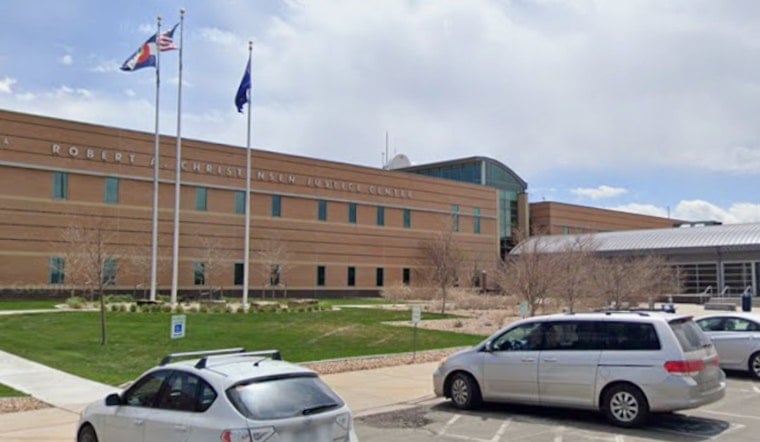
Douglas County leaders just signed off on a surveillance shakeup with a hefty price tag, approving a roughly $22.8 million deal that kicks Flock Safety’s license-plate cameras to the curb and brings in Axon gear instead, plus a countywide drone-first-responder program. Officials say the package will nearly double the fixed plate-reader network and give dispatchers near-instant aerial views of crashes, fires, and other emergencies, even as residents lined up at the microphone to question privacy protections and who really controls all that data.
What the board approved
According to the Denver Gazette, the contract covers about 100 Axon Outpost automated license-plate reader cameras to replace roughly 50 existing Flock units, along with a network of first-responder drones staged across Douglas County. County staff told commissioners the drones are expected to arrive on scene within one or two minutes in many cases and stream live video back to dispatchers and responders. The Gazette reports the total value of the agreement at nearly $22.8 million.
County meeting documents show Douglas County has steadily deepened its relationship with Axon over the last several years, consolidating body-worn cameras, in-car video, and records tools under a single vendor. A December 2025 packet described a restructuring of an Axon master services agreement that added cloud-based records management and locked in pricing through an extended term. Those details sit in the county’s publicly available meeting packet for anyone inclined to read the fine print.
What the new system will do
As outlined by Axon, the Outpost is a fixed automated license-plate reader that combines plate scans, vehicle attributes and live video, all tied into Axon’s evidence and operations platforms. County officials told the board that pairing those fixed readers with Axon’s drone-as-first-responder setup is intended to help locate stolen vehicles, speed up crash and fire assessments and conserve in-person public-safety resources for calls that really need boots on the ground.
Franktown Fire Chief David Woodick told commissioners that live drone video could be especially useful during evacuations, wildfires and search-and-rescue efforts, giving crews a real-time view of fast-moving situations instead of relying on scattered reports from the field.
Privacy and oversight
County leaders stressed during the meeting that Douglas County, not Axon, will retain ownership of the data collected under the new system. Automated license-plate reader records are set to be purged after 30 days unless they become part of an active criminal investigation, officials said. The sheriff’s office told commissioners it will run quarterly audits of the program, with additional oversight from the 23rd Judicial District Attorney’s Office, according to the Denver Gazette.
Even with those assurances, some residents and elected officials pushed for tighter controls and clearer limits. Commissioner Abe Laydon urged colleagues to walk a narrow line, arguing that the county has to protect both privacy rights and public-safety needs as it expands its digital toolkit.
Front Range context
Douglas County’s move lands in the middle of a broader Front Range rethink over Flock contracts following privacy complaints and reporting about data sharing. Denver recently opted to switch from Flock to Axon after a tense and closely watched city council debate. As reported by Denver7, regional concerns have zeroed in on who controls automated license-plate reader data, how long agencies keep it and what kind of oversight exists when third-party vendors host the systems.
Bottom line
For residents in Parker, Castle Rock and Highlands Ranch, all of this translates into more cameras, new drones overhead, and a fresh set of written rules that county officials say will limit access and govern audits. How the rollout, training and final policies handle data sharing, retention and oversight will likely determine whether the Axon deal quiets privacy worries or turns up the volume on an already heated debate in Douglas County.





