

























































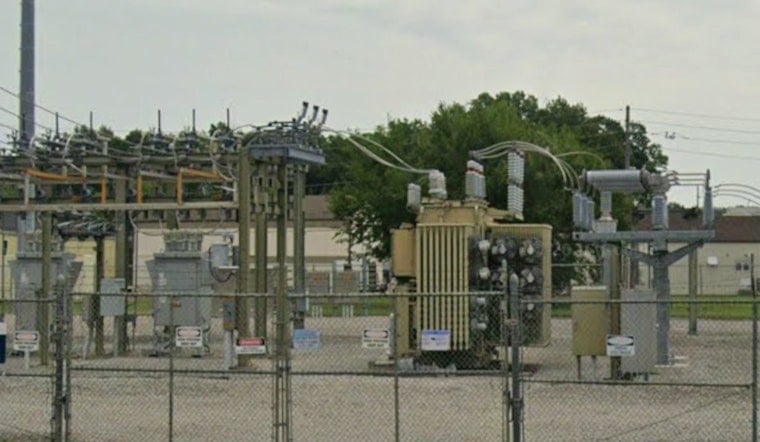
Duke Energy says it steered nearly $1 billion in 2025 spending to North Carolina suppliers and expects that figure to climb to almost $5 billion over the next five years. Most of that money is going to transformers, gas turbines and other heavy grid hardware, a shopping list the company says is designed to keep crucial equipment close to home while supporting in-state jobs. Executives are pitching it as a one-two punch for reliability and the local economy.
Duke lays out the numbers
In a press release via Duke Energy, the company said it spent nearly $1 billion with North Carolina-based suppliers in 2025 and that continuing those purchases could "total nearly $5 billion over five years." The release also notes that more than 97% of Duke’s $17.2 billion in annual sourcing goes to U.S.-based suppliers, and that its electric utilities serve roughly 8.7 million customers with about 55,700 megawatts of generating capacity.
Where the work is happening
Duke highlighted transformers coming out of GE Vernova’s Goldsboro operations and gas turbines produced by Siemens Energy in Charlotte as examples of its in-state supply chain. The Charlotte Observer has reported on Siemens Energy’s expansion in Charlotte and its plan to resume gas turbine manufacturing there. Local reporting also documents a multi-million-dollar expansion at the Prolec-GE/GE Vernova Goldsboro plant aimed at boosting transformer capacity, which helps explain why utilities are leaning harder on nearby vendors for big-ticket equipment, as covered by Neuse News.
Company and chamber praise
Inside Duke’s ranks, procurement leaders are casting the spending as a long-term investment in both customers and communities. "Powering America’s future starts with investing in the people, businesses and communities building it," Katie Aittola, Duke’s chief procurement officer, said in the release. Gary Salamido of the North Carolina Chamber backed that framing, praising Duke for directing "nearly $1 billion to North Carolina-based suppliers in 2025," a line that also appeared in the company’s announcement.
Why it matters beyond jobs
State and industry officials argue that buying local is not just a feel-good move. Shorter supply chains can help cut wait times for massive, specialized gear at a moment when demand is spiking from data centers, AI projects and wider electrification. Reporting from WFAE describes a heavy pipeline of data center and other large customers that is already reshaping how utilities think about procurement.
What to watch next
If Duke follows through on its five-year plan, that supplier spending could translate into steadier work and more hiring in manufacturing hubs across North Carolina. State economic-development offices, along with the suppliers Duke named, will be the ones to watch for contract wins and hiring milestones as those promised dollars start to flow.




