
























































Louisville planners are floating a big shift in how many homes can fit on some of the city’s quietest blocks, rolling out a proposal that would make it easier to build small multiunit housing in more corners of Jefferson County. The idea is to open the door to “neighborhood housing” - think duplexes, townhouses and small apartment buildings - in spots where streets, sewers and services are already in place, while still keeping a tight grip on building design so blocks do not transform overnight. Fans see a path to more affordable options. Skeptics see a fast track to parking headaches, taller buildings and long-time neighbors being nudged out.
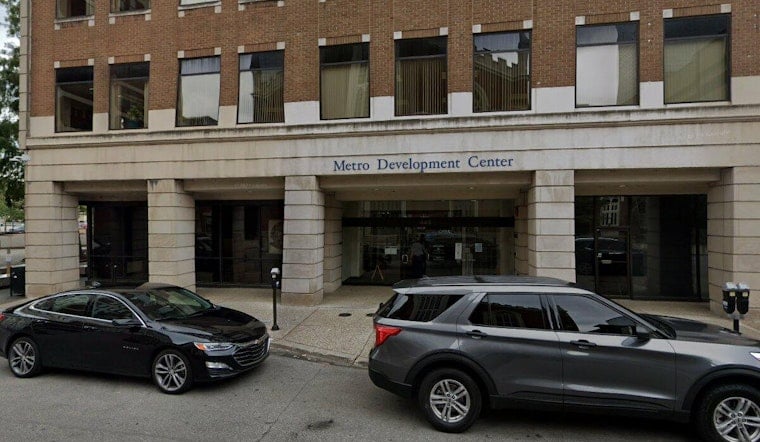
The Office of Planning has released a draft Land Development Code amendment branded “Neighborhood Housing,” complete with maps, design standards and a simplified review track for projects that follow the rules, according to Louisville Metro Office of Planning. The proposal clearly steers new housing to places that already have sidewalks, sewer capacity and nearby services. It also comes with a public comment form and outreach materials so residents can weigh in. Staff say that if a project checks all the design and location boxes, it would be signed off through staff review instead of sent through a lengthier, discretionary process.
What the proposal would change
On the ground, the rule change would legalize a wider mix of “middle housing” types - duplexes, triplexes, fourplexes, townhomes and cottage-court clusters - on selected blocks close to commercial corridors and in higher-capacity suburban areas, as reported by Homes.com. Planners want to focus new units within roughly a quarter-mile of major streets such as Bardstown Road and Preston Highway, and to allow modest new neighborhoods on sites of about three acres or more that have been assembled for development.
Design rules are written in as guardrails. They would cap building size, and they require an extra layer of review before a one-house lot can trade a single-family home for a substantially larger residential building. The goal, at least on paper, is to tuck in more homes without making blocks unrecognizable.
How the process works
The draft is headed first to the Louisville Metro Planning Commission, which will hold public hearings and vote on a recommendation. From there, it moves to the Metro Council and to suburban cities that control their own zoning, according to Courier-Journal. Ahead of those formal hearings, city staff have lined up community meetings in late July, promising to walk residents through the maps and design standards in plain language.
If the commission and council sign off, officials say the new rules would roll out in the mapped neighborhoods rather than flipping a switch across the entire city in one shot.
Supporters and critics
Housing advocates argue the update could finally open up more attainable housing in close-in neighborhoods that have long been locked into single-family-only zoning. A 2024 analysis cited by Homes.com estimated that reforms like these could unlock more than 18,000 additional housing units across the Louisville metro area.
Groups such as the Metropolitan Housing Coalition have documented how many local households are heavily cost-burdened, spending large chunks of their income on rent or mortgages, according to Metropolitan Housing Coalition. For them, tweaking zoning is one of the few tools on the table to relieve that pressure.
Opponents, including many long-time neighborhood residents, are not convinced. They worry about where everyone will park, what happens to property values and how much block character can really be “protected” once taller or denser buildings start landing next door.
Legal and political hurdles
The zoning conversation is not happening in a vacuum. State lawmakers in Frankfort passed measures in 2024 that restrict some types of local land use changes, and local reporting has flagged the possibility of new bills or temporary freezes that could stall Louisville’s update or shift more authority to the Metro Council, according to WDRB Investigates. Translation: even if the Planning Commission votes to back the neighborhood-housing text, the final outcome this year is anything but guaranteed.
What’s next
Residents who want a say can review the full draft and submit comments through the city’s Neighborhood Housing webpage, according to Louisville Metro Office of Planning. Planning staff will also gather in-person feedback during the July meetings before the amendment formally lands on the Planning Commission’s agenda.
The complete text, maps and the commission’s meeting schedule are posted with the city’s public records and committee calendars for anyone tracking how this potential zoning shake-up plays out.




