

























































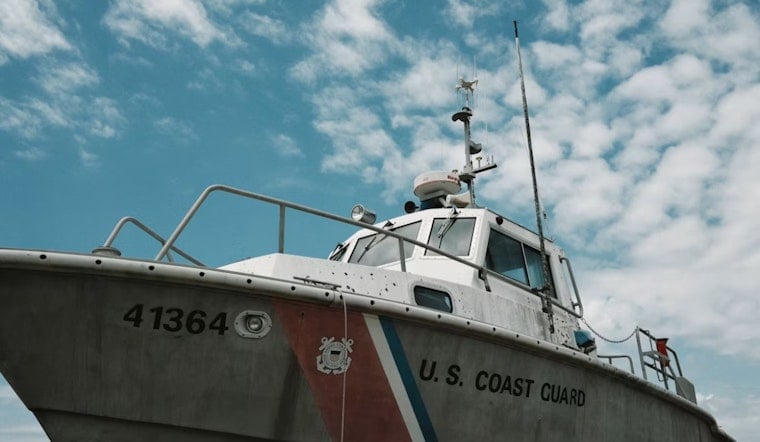
The U.S. Coast Guard's Great Lakes District is sounding the alarm on bogus distress calls and sketchy social media posts that look like emergencies but are not, saying the hoaxes are yanking crews away from real crises and putting responders in danger just as summer boating on Lake Erie and the other Great Lakes hits peak traffic.
According to WOIO, the district has logged 187 false distress calls since January 2026, with three confirmed hoaxes so far. "Intentionally misleading emergency responders is both dangerous and illegal," Capt. Mark Kuperman, the district's chief of staff, told the station.
The Coast Guard stresses that knowingly sending a false distress message violates federal law, 18 U.S.C. § 1038, and can result in up to 10 years in prison and fines as high as $250,000, according to a U.S. Coast Guard press release. The agency has shared audio examples of suspect calls and says the Coast Guard Investigative Service may pursue cases when callers can be identified.
Roger Rice, the district's search-and-rescue program manager, told WOIO that social media posts hinting at trouble on the water are a growing problem, especially when they leave out basics like an exact location or how many people are involved. Those vague posts, he said, can "unnecessarily trigger emergency responses and divert critical resources." The district is urging people not to repost videos or photos that could be mistaken for live distress calls.
How hoaxes drain rescue resources
Every search ties up crews, boats and sometimes aircraft for hours, and the Coast Guard estimates that response boats cost several thousand dollars an hour to operate while helicopter searches can run into the tens of thousands. Systems such as Rescue 21, according to the U.S. Coast Guard, help watchstanders get bearings on callers and flag suspicious patterns more quickly, but mismatched or incomplete reports can still force crews to check scenes in person.
If a distress call goes out by accident, the district advises contacting the Ninth District Command Center so responders can stand down, and the U.S. Coast Guard has posted guidance on how to do that on its site.
What boaters and residents should know
For real emergencies, the U.S. Coast Guard advises using VHF‑FM channel 16 or calling 911 so dispatchers can lock in an accurate location as fast as possible. Anyone who comes across a troubling post that might describe an active emergency is urged to contact local authorities instead of assuming the post is current or correct, since misleading posts can create false search priorities.
Legal implications
Deliberately making a hoax distress call is a federal crime that can bring criminal charges, civil penalties and orders to repay the full cost of the response, according to U.S. Coast Guard guidance. Investigators with the Coast Guard Investigative Service, along with local law enforcement, may follow up on tips, and the district is asking the public to report suspicious radio traffic or information about possible hoaxers.
Coast Guard officials say the takeaway is simple: a so-called prank on the radio or an old video reposted as if it were new can put lives in jeopardy. Mariners and shoreline residents around Lake Erie are being urged to double-check what they see and hear before sharing it and to keep emergency channels clear for people who are genuinely in trouble.




