

























































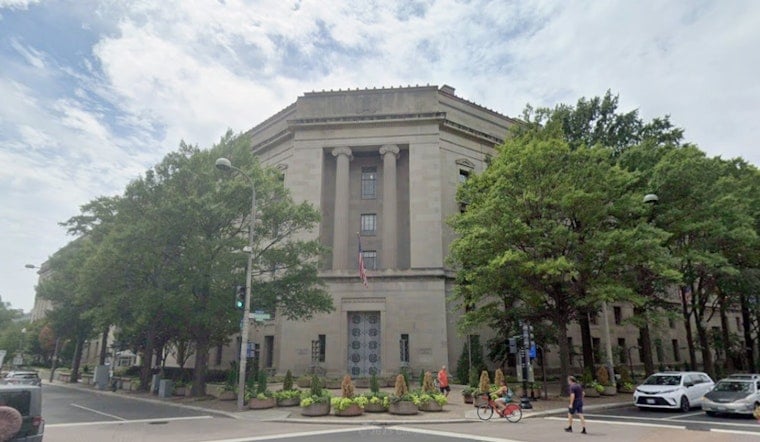
On Thursday, July 23, the U.S. Department of Justice hauled Colorado into Denver federal court, asking a judge to halt state statutes that let some undocumented residents pay in-state tuition and tap certain state financial aid. The filing drops Colorado squarely into the long-running national fight over whether students without lawful immigration status can access discounted higher education.
The Justice Department said in a Department of Justice release that the complaint argues Colorado’s laws “unconstitutionally discriminate” by tying post-secondary benefits to state residency in ways that conflict with federal immigration statutes, and that the suit seeks injunctive relief to stop the statutes' enforcement. The department cast the case as part of a broader enforcement campaign and noted it is the DOJ’s 14th lawsuit challenging in-state tuition and aid policies. “Colleges cannot provide benefits to illegal aliens that they do not provide to U.S. citizens,” Assistant Attorney General Brett A. Shumate said in the release.
Local Reaction
The Colorado Attorney General’s office told reporters it had no immediate comment when reached about the lawsuit, while state Democrats quickly criticized the move. Sen. John Hickenlooper blasted the filing, telling Denver7 that “instead of actually working to fix our broken immigration system, the Trump administration is trying to reignite yesterday’s culture wars.”
What the Complaint Alleges
The case, filed as United States v. Colorado, No. 1:26-cv-03329, names the State of Colorado, the Colorado Commission on Higher Education, the Colorado Department of Higher Education and Executive Director JB Holston as defendants. According to the Department of Justice, the suit targets the 2013 Advancing Students for a Stronger Tomorrow (ASSET) Act and subsequent revisions that opened in-state tuition and some state financial aid to students regardless of lawful presence, which the DOJ contends are preempted by 8 U.S.C. § 1623(a).
Legal Context and What Could Happen Next
Federal courts have split in similar tuition battles, with some judges issuing injunctions or signing off on settlements and others tossing the government’s claims. That mixed track record, including a recent dismissal of the DOJ’s challenge to Minnesota’s policies, suggests Colorado could see fast-moving fights over standing, how to read the federal statute, and whether discounted tuition qualifies as a barred “postsecondary education benefit,” as reported by CBS News and Inside Higher Ed.
What This Could Mean for Students
For now, nobody is sure how many Colorado students could lose access to in-state rates or state-administered aid if courts freeze the ASSET Act or related rules. Early coverage notes that state officials have not said how many people might be affected, according to Denver7. Until the case plays out, students and colleges are left waiting to see which side of the legal line tuition breaks will land on.



