

























































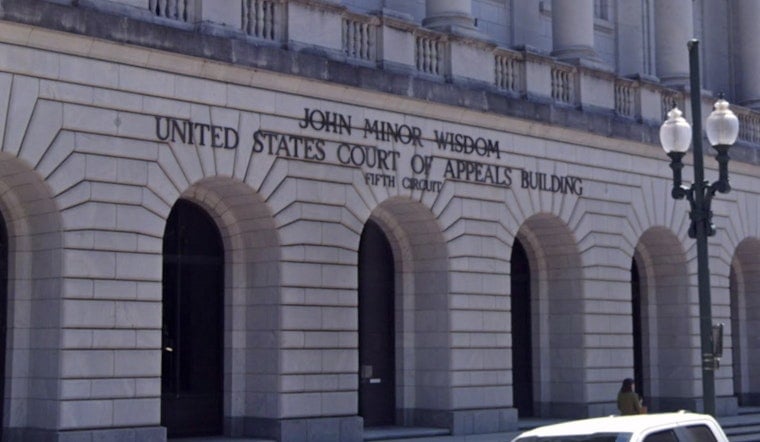
A divided federal appeals court has hit the brakes on a core piece of Texas’s new online safety law for kids, blocking a requirement that major social media and digital services constantly monitor and filter content they think is aimed at minors. Other parts of the SCOPE Act, also known as H.B. 18, remain in effect, so the legal fight over how far states can go in policing Big Tech is very much alive.
What the court ruled
In a 2-1 decision issued in New Orleans, the U.S. Court of Appeals for the Fifth Circuit threw out the law’s broad monitoring and filtering mandate for covered digital services and held that this provision is preempted by federal law. The panel highlighted that H.B. 18, which took effect on Sept. 1, 2024, imposes sweeping duties on platforms, and found that the monitoring requirement clashes with Section 230 of the Communications Decency Act, according to the opinion published by NetChoice.
What stayed in place
The same panel left intact other parts of the statute, including a wide-ranging age verification and parental consent framework aimed at limiting minors’ access to certain content and app downloads. Reuters reported that the split ruling delivered a mixed result, with wins and losses for both the tech industry challengers and the state.
Reaction from tech groups and advocates
The industry trade groups that brought the lawsuit framed the decision as a major protection for online speech. “This is a win for every Texan,” NetChoice said in a statement, while the Computer & Communications Industry Association voiced similar relief over the court’s move. Their reactions are detailed in statements from NetChoice and CCIA.
Legal implications
Beyond the immediate outcome, the ruling underlines a key legal boundary: the panel concluded that Section 230 can override state laws that would effectively conscript online platforms into government-ordered monitors of third party speech. The court also found that some challengers lacked standing on certain claims and sent other unresolved issues back to the lower court, as described in the opinion released by NetChoice.
What’s next
Texas Attorney General Ken Paxton’s office has defended the law and signaled it will keep fighting, according to Reuters. The decision lands amid a patchwork of conflicting rulings across the country and follows the U.S. Supreme Court’s recent refusal in early July to block a related Texas app store age verification measure, as reported by the Washington Post. With that backdrop, this dispute is a strong candidate to circle back to the high court.





