

























































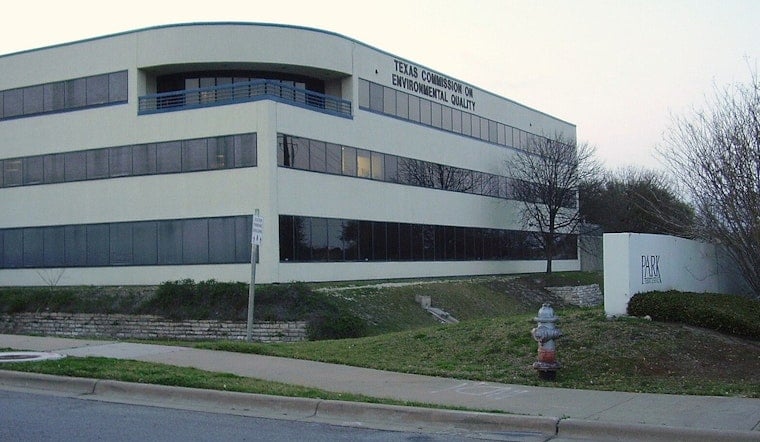
Texas air regulators have hit the Freeport LNG export terminal with a six-figure penalty, accusing the Quintana/Freeport complex of unauthorized air releases and sloppy paperwork that piled up over two years. The Texas Commission on Environmental Quality (TCEQ) initially set the administrative penalty at $129,050, but in a settlement the company paid $103,240, with another $25,810 on the chopping block if Freeport follows every condition in the order. The alleged violations stem from incidents and reporting gaps in 2022 and 2023, adding yet another entry to the plant’s long record of regulatory attention.
What The State Says Happened
State investigators traced a drawn-out emissions event that started on June 8, 2022, along with several excessive-emission incidents tied to the plant’s flares. Those involved tens of thousands of pounds of carbon monoxide and nitrogen oxides, according to TCEQ enforcement documents. The same case files spell out formal notices of excessive emissions, gaps in monitoring and record-keeping, and the technical fixes the company is now expected to roll out. Under the agreed order, Freeport must submit a detailed corrective action plan and then file regular certifications showing it actually followed through.
How The Money Shakes Out
State docket records lay out the $129,050 penalty and the agreed-order structure that trims the upfront payment through a conditional waiver, according to the Texas Register. Coverage by Houston Public Media details that Freeport has already paid $103,240, while the remaining $25,810 will disappear if the company meets every requirement in the enforcement order. The structure effectively ties a slice of the penalty to follow-through on corrective steps rather than treating the whole thing as an immediate cash-only hit.
Explosion, Permits And A Bigger Pattern
Freeport’s Quintana terminal was already on the radar after a major piping failure and explosion on June 8, 2022, a blast that federal regulators say kept the facility offline for months in their incident records. The latest enforcement order lands as the plant seeks permit revisions and operating changes that can alter how much pollution it is officially allowed to emit, a process critics argue can blur the line between managing emissions and quietly raising them. That tension is highlighted in reporting by Inside Climate News, which points to a pattern of permit filings and enforcement actions at Gulf Coast terminals that watchdogs say deserves far closer scrutiny.
Neighbors Say The Fine Barely Stings
Local advocates near the terminal greeted the settlement with a heavy dose of skepticism, arguing that a six-figure hit is unlikely to shake up how a facility of this scale operates. “The fines are too small to get their attention,” Melanie Oldham of Better Brazoria told Houston Public Media. Environmental groups have repeatedly pointed to earlier enforcement cases and permit changes as signs that what is really needed is tighter oversight and monitoring requirements with real teeth.
What Comes Next
Under the order, Freeport must file a corrective action plan and respond to state follow-up requests on a strict schedule. Agency staff will review how that plan is carried out and can reopen enforcement if the company falls short, according to TCEQ enforcement documents. The Texas Register entry drops the agreed order onto the public docket and spells out a window for comments and commission review. For people living nearby, the real test will come in the months ahead, as they watch for Freeport’s corrective action filings, any follow-up inspections, and the monitoring data that state officials say they will use to judge whether the company is actually playing by the rules.





