

























































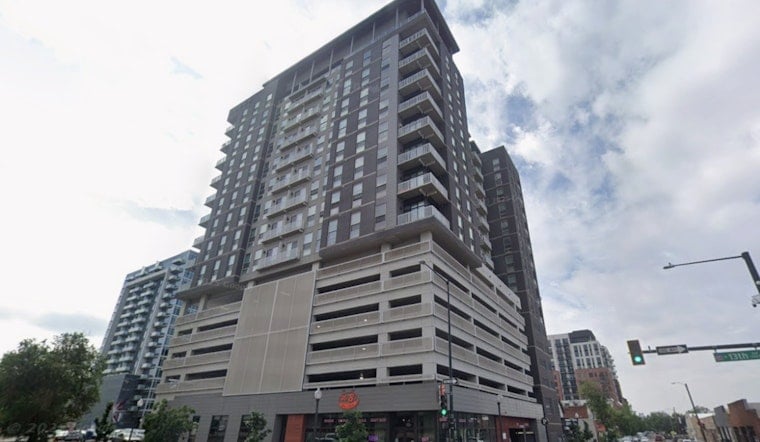
Denver’s Civic Lofts, a 176-unit apartment tower in the Golden Triangle at 360 W. 13th Ave, just changed hands for $30 million on June 29, roughly half of the about $63 million it commanded five years earlier. The sharp markdown is the latest sign that the city’s newer multifamily buildings are getting repriced as fresh supply and rising vacancies lean on values.
According to Mile High CRE, county deed records list the buyer as an entity tied to Los Angeles-based FPM Partners, with the transaction recorded on June 29. Public sales compilations show Civic Lofts last traded in December 2021 for about $63 million, per Homes.com.
Market Pressure And Repricing
By the end of 2025, metro Denver’s apartment vacancy rate had climbed to roughly 7.6 percent, the highest level in more than ten years, based on data from the Apartment Association of Metro Denver as reported by The Colorado Sun. That extra inventory, paired with fatter concessions, has been nudging some owners and lenders toward accepting lower pricing even on stabilized properties.
Investors Adjust To New Pricing
First-quarter 2026 figures from CBRE show that both investment sales volume and average price per unit in Denver have softened, reshaping how buyers and sellers pencil out deals. Industry coverage of a broader national repricing cycle has also flagged that lower-tier and oversupplied assets are taking the hardest hits, which helps explain how a relatively new, well-located tower can still end up selling at a steep discount. GlobeSt has tracked similar shifts across markets.
About The Building And Leasing
Civic Lofts is a 14-story community with studio, one-bedroom, and two-bedroom units totaling 176 apartments. Filings from Centerspace list the property among its Colorado holdings and note that the building was completed in 2019. As of June 29, listings compiled by AptAmigo showed about 22 units available for lease, consistent with occupancy somewhere in the high 80-percent range.
Day to day, tenants might barely notice the change in ownership. For investors and lenders, though, the deal is one more solid data point in Denver’s ongoing multifamily reset. For now, pricing is likely to stay split: the top-tier, institutionally favored product should hold up relatively better, while mid-market buildings in supply-heavy pockets face continued downward pressure until fundamentals catch up.




