

























































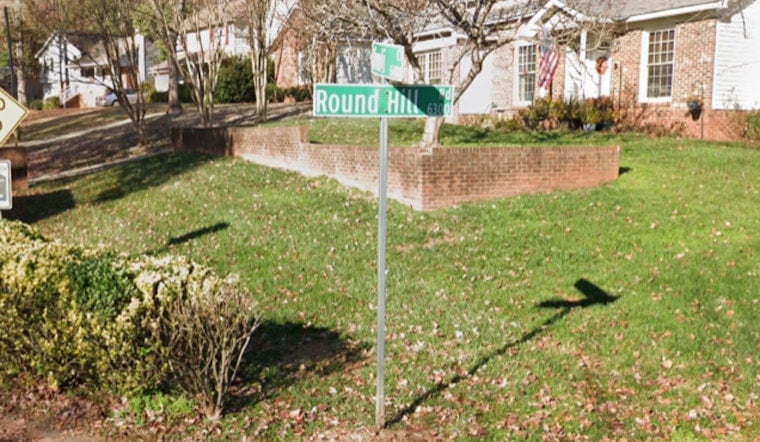
A grease-packed sewer line in south Charlotte sent roughly 1,180 gallons of untreated wastewater into McAlpine Creek on Thursday, after a blockage near Round Hill Road backed things up enough to spill into the waterway. Charlotte Water crews moved in to clear the mess, while the utility warned nearby residents and shared reminders on how to keep similar overflows from happening again.
What Charlotte Water reported
Charlotte Water pegged the overflow at about 1,180 gallons and traced it to a grease blockage in the collection system, according to WCNC. In its notice to the public, the utility ran through a familiar but often ignored list of items that should go in the trash instead of down the toilet or sink: paper towels, wipes, hair, cotton swabs and feminine products.
The alert also reminded residents that used oils and grease belong at a full-service recycling center, not in kitchen drains. Anyone who sees or smells sewage is urged to call 311 or 704-336-7600 so crews can get on-site quickly.
How residents can help prevent overflows
Charlotte Water stresses that many sanitary sewer overflows start with fats, oils and grease, along with everyday items that do not break down once they hit the pipes. The utility’s sanitary sewer overflow guidance lays out what should be tossed in the trash, recommends taking used cooking oil to a recycling center, and advises that sinks be used only for liquids and small food scraps.
For more details on how crews respond to spills and what households can do to help keep wastewater in the pipes where it belongs, see Charlotte Water.
Not an isolated problem
The latest McAlpine Creek spill is part of a pattern Charlotte has been wrestling with this year. In March, about 1,550 gallons reached the same creek after a blockage caused by grease and wipes, according to WSOC. Then in April, local outlets reported that tens of thousands of gallons of wastewater flowed into a tributary of Lake Wylie after a separate failure.
Charlotte Water spokesperson Cam Coley told local media that “a majority of wastewater overflows can be prevented with your help,” urging residents to keep non-sewage items out of the system so pipes stay clear.
Reporting rules and oversight
Under North Carolina rules, any owner or operator of a wastewater collection system has to report a discharge of 1,000 gallons or more of untreated wastewater into surface waters to state officials as soon as practicable, and no later than 24 hours after it is discovered. The state’s reporting guidance and statute spell out how the public must be notified with advisories and press releases, and describe the Division of Water Resources’ role in tracking and responding to sanitary sewer overflows.
Details on the requirements are available from the North Carolina Department of Environmental Quality and the North Carolina General Assembly.
Fixes and what to watch next
The McAlpine Creek basin has been a focus area for pipe lining and rehabilitation work meant to cut down on blockages and overflows, and the city posts project updates for the watershed so residents can track progress. Neighbors who want a closer look at what is planned, and how construction might affect their area, can dig into the City of Charlotte’s McAlpine Creek rehabilitation materials and earlier coverage of similar spills.
The City of Charlotte and local reporting, including Hoodline’s coverage of the neighbors on alert after 1,550 gallon spill, offer additional background on the improvement effort and past incidents in the area.





