

























































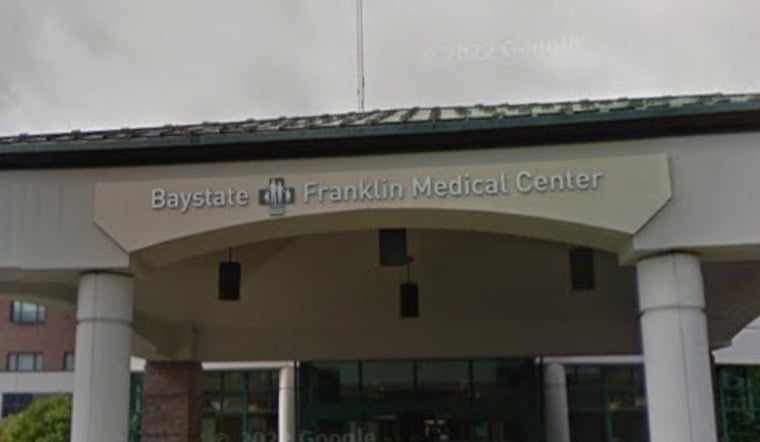
Nurses at Baystate Franklin Medical Center in Greenfield are calling in the state after the hospital cut evening patient transport services, saying the move is pushing bedside nurses to double as transport staff right when things are busiest. The union argues the switch is stretching already thin staffing, delaying care and leaving fewer hands available when emergencies hit. Nurses filed a formal complaint this week with the Massachusetts Department of Public Health and scheduled a press conference to spell out their concerns.
According to the Massachusetts Nurses Association, Baystate Franklin discontinued its evening patient transport service between 6 p.m. and 11 p.m. That means registered nurses are now responsible for getting patients to imaging, the operating room and out the door for discharge during peak hours. The union says the added duties have created “significant operational and patient safety concerns” in the emergency department, post-anesthesia care unit and medical-surgical floors. In its complaint, the union asked the state to review whether the hospital is still in compliance with licensure and staffing standards and announced a July 16 press conference on the issue.
Nurses say emergency department staff can now spend 15 to 20 minutes at a time transporting patients to MRI or X-ray during the evening rush, cutting into their ability to respond quickly when new patients roll through the doors. As reported by The Boston Globe, transport duties now also include grabbing stretchers during emergencies and pulling critical supplies, work the union notes used to be handled by dedicated transport staff. The Globe reported that the changes came after layoffs in June at the Greenfield hospital, according to the union.
Local nurses and community leaders say those cuts are part of a broader pattern of systemwide belt-tightening that is already straining care at the rural facility. The Greenfield Recorder previously reported that staff across about 22 departments were affected by the layoffs. Petitions and a unanimous Greenfield City Council resolution backing nurses’ demands have added political pressure on Baystate to restore services and staffing support.
What the nurses want the state to review
In its letter, the union asks the Department of Public Health to determine whether eliminating evening transport services runs afoul of Massachusetts hospital licensure rules and nursing staffing standards. Theresa Hudson, the MNA’s associate director for nursing health and safety, wrote that the conditions “appear inconsistent with patient safety standards” and may not meet expectations for quality of care or leadership accountability.
The state’s complaint information explains that the Division of Health Care Facility Licensure and Certification prioritizes cases that pose potential or immediate harm and outlines how patients, families and staff can file a report about a hospital. More details are available from the Department of Public Health.
Contract fight and what’s next
The DPH complaint is the latest escalation in a months-long contract battle between Baystate Franklin nurses and Baystate Health. In June, nurses voted overwhelmingly to reject what the hospital called its “best and final” contract offer. The union says it is holding out for enforceable staffing protections in the emergency department and the mental health unit, arguing that paper promises are not enough when the hospital is also cutting support roles such as transport.
According to a union news release, nurses and Baystate Franklin have reached tentative agreement on some pay provisions and medical-surgical language, but the sticking points on staffing remain. Union leaders say those protections are nonnegotiable if the hospital wants to guarantee safe patient care and keep nurses from burning out. PR Newswire
Baystate Health did not respond to requests for comment, according to The Boston Globe. Nurses planned to hold a press conference at 10 a.m. on July 16 outside Baystate Franklin’s main entrance to discuss their complaint and answer questions. For patients and families in Franklin County, nurses say the immediate question is whether evening transport and safe staffing levels will be restored during the hospital’s busiest hours.





