

























































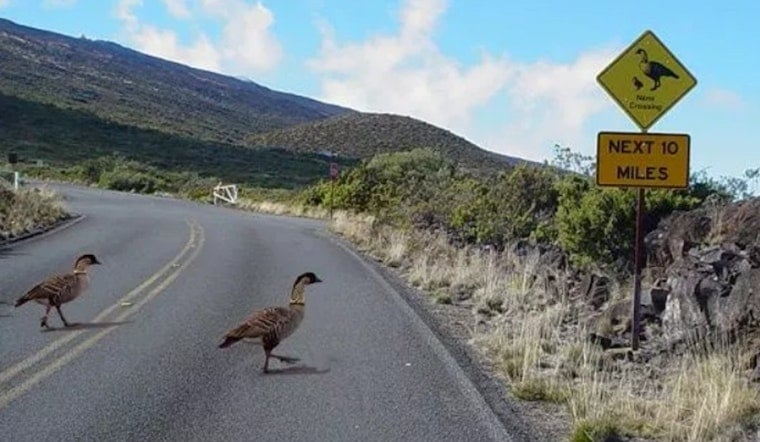
Haleakalā National Park is pleading with drivers to ease off the gas after a nēnē (Hawaiian goose) and an ʻuaʻu (Hawaiian petrel) were struck and killed on Sunday inside park boundaries. The two deaths are the latest in a worrying pattern of vehicle collisions threatening the mountain’s already vulnerable native birds.
“We know from our traffic data that it’s not just visitors but locals who speed too,” park superintendent Natalie Gates told Hawaii News Now. Over the past four years, park staff reported that 11 nēnē and 13 ʻuaʻu have been killed by motorists inside the park.
Federal protections and fragile habits
Both birds are protected under the Endangered Species Act: the Hawaiian goose was reclassified from endangered to threatened under the Service’s 4(d) rule for the nēnē, while the Hawaiian petrel remains listed as endangered, according to the U.S. Fish & Wildlife Service. The petrel nests in high‑elevation burrows and is mostly active at night, and nēnē often linger along road shoulders and move slowly when confronted by vehicles, behaviors that increase the risk of deadly collisions, researchers say (USGS).
What the park wants drivers to do
Park managers are asking residents and visitors alike to follow posted speed limits, stay alert on the narrow, winding mountain roads and avoid stopping for or feeding wildlife, according to the National Park Service. If a bird is injured or blocking the roadway, officials want drivers to call park dispatch for instructions at the number used for Haleakalā and other Hawaiʻi park dispatches: (808) 985‑6170.
Local efforts to slow the traffic
To keep birds safer, officials and partners have previously set up "nēnē crossing" signs, radar trailers, cones and other temporary traffic‑calming measures to grab drivers’ attention, and community groups have pushed for lower speed limits near key habitat. Conservation and advocacy organizations have also led targeted speed‑reduction projects on island roads aimed at cutting down on vehicle strikes (Nēnē.org).
Park officials say that simply slowing down and staying alert is still the most effective thing drivers can do to help protect birds that have nowhere else to go. For more details and safety guidance, visit the park’s visitor safety page on the National Park Service website (Haleakalā National Park).





