

























































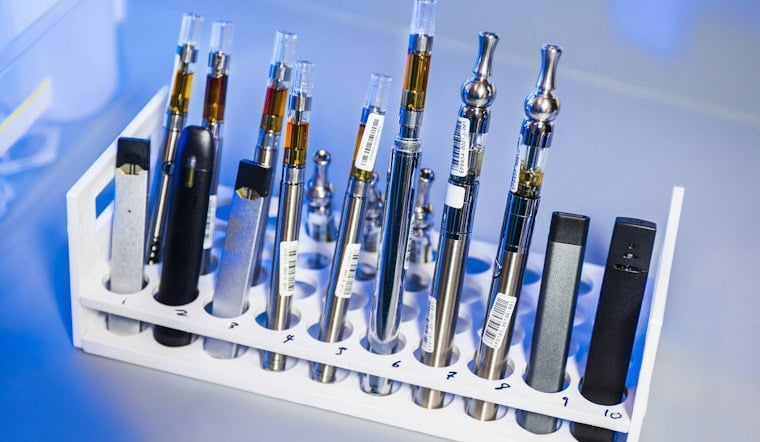
The days of grab-and-go disposable vapes in Hawai‘i are officially numbered. Gov. Josh Green on Tuesday signed two bills that sharply tighten what kinds of e-cigarettes can legally be sold in the islands, cutting the market down to products that have a formal marketing-granted order from the U.S. Food and Drug Administration. One measure bans most single-use disposable e-cigarettes, while the other builds a state registry of federally authorized products and gives officials power to seize and destroy everything else. The disposable ban kicks in Jan. 1, 2027, with the certification system phasing in ahead of that date.
Under House Bill 1573, manufacturers will have to certify every year to the Hawai‘i Department of the Attorney General that each electronic smoking device and e-liquid they sell has received an FDA marketing-granted order, as laid out by the Hawaii Legislature. Each filing must include supporting documentation and a $1,000 fee per product. Manufacturers must list the brand, product, category and flavor on the form, and the department is directed to publish a public directory of approved products starting Jan. 1, 2027. Once that list is live, anything not on it can be targeted for seizure, forfeiture and destruction under state authority.
Disposable ban and exemptions
Senate Bill 2175 makes it illegal to sell nonrefillable, single-use electronic smoking devices with non-rechargeable batteries that are meant to be thrown away, statewide beginning Jan. 1, 2027, according to the Hawaii Legislature. There is a narrow escape hatch: devices that have an FDA marketing-granted order are exempt. Lawmakers say that currently covers a very limited group of products, including items such as NJOY Daily. Rep. Scot Matayoshi, who chairs the House consumer committee, told Hawaii News Now the laws "won't take vaping off of the shelves, it'll really narrow down that scope on what kind of products are now legally available for purchase."
Enforcement and penalties
The Attorney General and state inspectors will be able to review records, check retail and storage areas, and seize adulterated or unlisted devices, with the cost of seizure and disposal billed to whoever had the products when they were confiscated. Retailers caught selling unlisted products face civil penalties starting at $500 per device, with higher fines for repeat violations. Manufacturers that cause unlisted products to be sold can be hit with civil penalties of $10,000 per product, and they risk misdemeanor charges if they submit false certifications, according to the Hawaii Legislature.
FDA authorizations explained
A federal marketing-granted order is the narrow legal pathway that allows an e-cigarette to be marketed in the United States, and the Food and Drug Administration posts those marketing orders and related decisions on its website. The agency’s listings show that only a limited number of products have made it through that review process, and authorization reflects a public health judgment, not a safety seal of approval. Consumers and merchants can search tobacco marketing orders to see whether a device has a marketing-granted order using the Food and Drug Administration.
Community reaction and next steps
Health and environmental advocates cheered the bills at the Capitol signing, arguing that the new rules will cut youth access to vapes and curb the stream of single-use plastic and battery waste that keeps turning up on beaches. Youth advocate Maya Butts told Hawaii News Now she often "found myself picking up plastic disposable e-cigarettes during beach cleanups" and said the law will have "lasting impacts" on communities and the environment. The Attorney General's office, which previously led a multistate push urging online platforms to crack down on e-cigarette sales, has said it will maintain the directory and support enforcement, according to the Hawaii Department of the Attorney General.
What retailers and buyers should watch for
Retailers are being told to start planning now to clear out unsanctioned disposables and to verify manufacturer certifications before bringing in new stock, since the Jan. 1, 2027 effective date for the disposable ban is set in the Hawaii Legislature. The statute draws a firm line: nonrefillable, non-rechargeable disposables are off-limits unless they have an FDA marketing-granted order, and once the Attorney General’s list is published, businesses that keep selling unauthorized disposables risk enforcement action. Shoppers, in turn, should expect fewer cheap single-use bars at the counter and a shift toward refillable devices or the small set of authorized pod systems.
Hawai‘i now joins a growing group of states tightening vape regulations in the name of protecting young people and cutting back on risky, single-use electronic waste. State officials say guidance and compliance resources will roll out in the coming months as the product directory goes live and new enforcement tools come online.



