

























































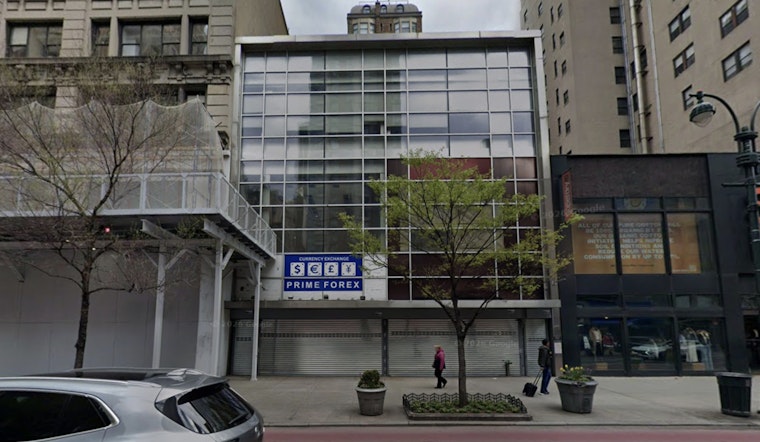
Helaba has slipped out of a messy Midtown foreclosure fight, quietly transferring a $50 million loan on a Herald Square retail building and stepping off the courtroom stage while everyone else is still arguing over the bill.
The Frankfurt-based lender reassigned the debt tied to 29 West 34th Street in filings dated July 17, moving the mortgage into new entities linked to an SL Green executive and effectively removing itself from the litigation. The three-story retail storefront is still vacant and under a court-appointed receiver, as disputes over taxes and alleged unpaid rent continue to grind on.
What changed
Court records show Helaba assigned the $50 million mortgage to 29 W. 34th Street Holdings LLC, which immediately passed it along to 29 W. 34th Street Lender LLC, according to The Real Deal. Financial documents list SL Green’s chief legal officer, Andrew S. Levine, as executive vice president of the holdings company. The July 17 filing effectively takes Helaba’s name off the public docket for now, even though the fight over the building is far from settled.
How we got here
Helaba originated the $50 million loan in 2018 and started tightening the screws after sending notices over unpaid real-estate taxes in early 2025, later filing a pre-foreclosure action that September. Earlier reporting highlighted more than $12 million in unpaid city property taxes as the central default. PincusCo reviewed the initial complaint and tracked the court activity.
The tax fight and the receiver
A judge eventually appointed Ian Lagowitz as receiver, and he cranked up the pressure in January by suing Sutton personally for about $12.2 million in unpaid real-estate taxes. The suit alleges that a city payment plan ballooned the total obligation to roughly $21.6 million by requiring 120 monthly installments of $180,286 each, according to The Real Deal.
Receiver filings also claim the borrower skipped rent payments and left the retail space empty, assertions Sutton’s lawyers have pushed back on. In court papers, his attorneys blasted the foreclosure effort as a “transparent, orchestrated attempt to tarnish” Sutton’s reputation.
Legal implications
In New York, unpaid property taxes and the city’s lien-sale procedures can reshuffle who gets paid first in a foreclosure. Tax liens and related lien-sale claims are enforced through municipal processes that can put city charges ahead of mortgage holders, according to the NYC Department of Finance. That pecking order turns tax exposure into a serious credit risk for lenders and a powerful bargaining chip in any restructuring or sale.
Where this leaves Sutton
Jeff Sutton, whom Forbes pegs at about $2.7 billion in net worth, is still juggling legal and financing pressure across his Midtown portfolio. Nearby storefronts along West 34th Street have faced their own lender showdowns in recent months, underscoring the stress on the corridor’s retail real estate, according to reporting by Commercial Observer.
The assignment takes Helaba out of the line of fire but hands real leverage to the new loan holder, which could push for a sale, a workout or a fresh round in court. For now, the dispute is off Helaba’s books and in new hands; upcoming motions and receiver reports will decide whether this saga ends in a negotiated truce or yet another chapter of Midtown litigation.



