

























































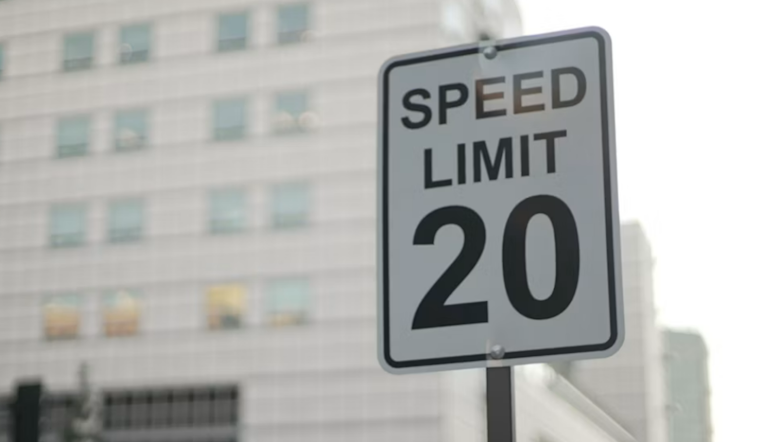
Honolulu officially lowered school-zone speed limits to 20 mph in November 2024, yet thousands of drivers are still cruising past signs that say 25 mph. On paper, the city slowed things down. At the curb, not so much. Because officers can only enforce whatever is posted, that gap between the law and the metal signs on the poles has parents and volunteer crossing guards feeling like kids are the ones caught in the middle.
How the law changed
The Honolulu City Council approved Bill 44 in November 2024, cutting school-zone speed limits from 25 to 20 miles per hour and directing the Department of Transportation Services to update signage and consider traffic-calming measures, according to the Honolulu City Council. The ordinance creates a new 20-mph classification for streets bordering school grounds and gives the transportation director authority to evaluate speed humps, raised crosswalks and other countermeasures.
Why drivers still see 25 mph
As reported by Honolulu Civil Beat, only one school zone so far — St. Anthony School in Kailua — has actually seen its signs switched to the new 20-mph limit. The city’s Complete Streets administrator told the outlet the first contract covers about 14 school zones, and those locations alone require taking down 131 outdated signs and putting up 387 new ones. She estimated that, islandwide, the full rollout could touch roughly 200 school zones and involve around 10,000 individual sign adjustments. Until those new signs go in, most drivers have no visual cue that the limit changed, and any speeding tickets have to hinge on what is posted, not what is written into law.
Enforcement and safety stakes
The missing or outdated signs are not just a paperwork problem. They also blunt both enforcement and public awareness around slower speeds. The American Academy of Pediatrics has reported that, in residential neighborhoods, a vehicle traveling at 30 mph compared with 20 mph is associated with more than a sevenfold greater risk of a child being hospitalized for pedestrian injuries, a statistic that helped fuel the push for lower limits near schools. Local advocates argue that the new law will not fully deliver on its safety promise until drivers are clearly told to slow down through signs, stepped-up enforcement or visible physical changes in the street.
Timeline, budget and what comes next
City meeting minutes show the Council set aside $500,000 for the Department of Transportation Services to partner with the Department of Facility Maintenance on swapping out school speed-limit signs. Complete Streets staff told Civil Beat that installation for the first batch of zones under contract is expected to begin early next month. Advocates point to a recent rise in pedestrian deaths across Hawaii, which climbed last year to an 18-year high, as a reason not to drag out the process. City officials counter that every site must be surveyed, signposts upgraded to modern breakaway standards and contractors lined up, all steps that stretch the timeline for an islandwide conversion.
Bottom line for families
For now, Honolulu’s 20-mph school-zone law is on the books while the streets themselves lag behind. Parents, crossing guards and safety groups are pressing the city to speed up the sign replacement and to roll out quick physical fixes like speed humps where drivers regularly exceed posted limits. City officials say the work will come in phases and that getting visible, legally compliant signs in place is the critical next step. Until that happens, the official speed limit and the number staring back at drivers from the roadside may not line up.





