

























































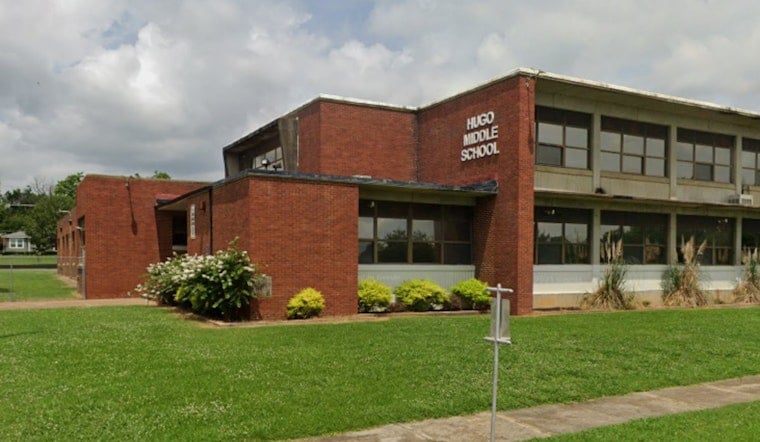
The Hugo school board has signed off on a legal settlement that would wrap up a federal lawsuit accusing a former special‑education teacher at Hugo Middle School of abusing students. The financial terms are staying under wraps for now, and because the case involves minors, a federal judge still has to approve the deal before it is official. The move follows months of criminal charges, state licensing action and a high‑profile civil case brought by several families.
According to KFOR, the board approved the settlement on July 2, 2026, without revealing how much money is involved. The outlet reports that the agreement resolves a multi‑million‑dollar federal lawsuit from families who alleged their children were mistreated. Under the terms presented to the board, the settlement will not be final until a judge signs off in court.
Families' lawsuit and allegations
Families of five children filed the federal case last November, accusing Hugo Public Schools of failing to protect vulnerable students and naming a former special‑education employee as a defendant. Court documents reviewed by local outlets allege the teacher was caught on video slapping, dragging and choking students, three of whom the complaint says were disabled and nonverbal. The suit seeks significant damages and faults the district for supervision failures, according to EastTexasRadio.
Criminal charges and state licensing action
The teacher named in court filings, identified as Yolanda Dunbar, was arrested and charged with two counts of felony child abuse, according to court records. As reported by KXII, Dunbar appeared in court this year and pleaded not guilty, and attorneys for the families had notified the district of a $20 million tort claim. In a separate earlier report, KXII noted that the Oklahoma State Board of Education moved to suspend her teaching certificate.
Legal next steps
Because the settlement covers claims brought on behalf of minors, a federal judge must review and approve the agreement before it becomes final, KFOR reports. That type of judicial review is routine in cases involving underage plaintiffs and is meant to ensure any payouts and legal releases serve the children’s best interests. Until the judge signs the order, the civil claims technically remain active on the docket, and the related criminal case continues on its own track.
How this fits a larger trend
Across the country, school districts often choose to settle emotionally charged abuse cases quietly rather than take them to trial, and the checks can be sizable even for smaller systems. Littleton Public Schools, for example, recently agreed to pay roughly $3.85 million to resolve a case involving alleged abuse of special‑needs students, a reminder of how much exposure districts can face in these situations. For Hugo, the board’s vote shifts the spotlight back to federal court, where a judge will decide whether to bless the confidential deal and close out this chapter of the legal fight.


