

























































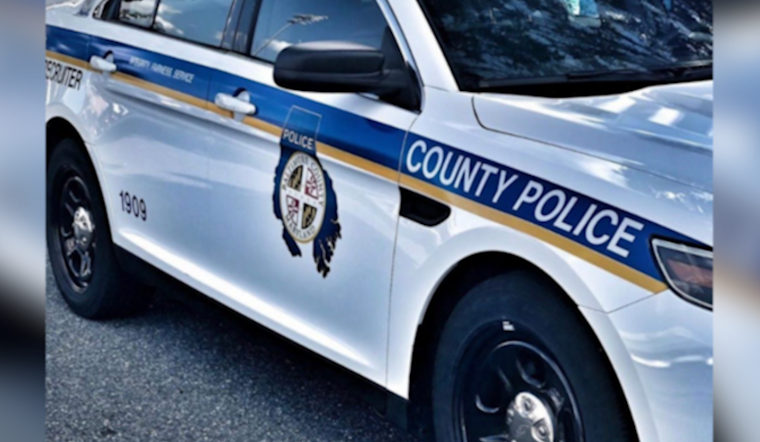
Human remains were discovered Friday morning near Route 702 and the Baltimore Beltway (I-695) in the Essex area, prompting an investigation by Baltimore County police. Officers were called to the scene, and as of publication, officials have released only limited information about what was found.
According to WMAR-2 News, officers responded Friday morning to a report of human remains near Route 702 and I-695. The outlet reported that there were no additional details available and that the case remained an active investigation.
Where the remains were found
The reported discovery was in Essex near the interchange of MD-702 (Southeast Boulevard) and I-695. Per the Maryland State Highway Administration's Baltimore County planning documents, MD-702 directly links southeast Essex to the Baltimore Beltway and runs along a busy commuter corridor, a setting that can complicate scene security and evidence collection at roadside locations.
What police have said
Baltimore County Police have confirmed the discovery and said detectives are investigating, but they have not released further details about the condition of the remains or whether the case is tied to any open missing-person investigations. The initial coverage treated the incident as breaking news and indicated that updates would be provided as investigators learn more, according to WMAR-2 News.
Local context
Similar discoveries have surfaced around the Baltimore region in recent months, with identifications often taking time as forensic teams work through testing. For context, a skeletal recovery near Herkimer Street in Southwest Baltimore was reported earlier this year, and WBAL covered the recovery of a missing 72-year-old woman's remains in East Baltimore as investigators worked to identify the decedent.
What comes next
When remains are recovered, forensic investigators typically coordinate with the state medical examiner and national resources such as NamUs to work on identification. Dental records, fingerprints, and DNA are commonly used when available. Guidance from the National Missing and Unidentified Persons System and the National Institute of Justice notes that identification timelines can vary widely depending on the condition of the remains and the types of testing required.
The investigation into Friday's discovery is ongoing, and authorities say more details will be released as they become available. This is a developing story and will be updated when public information is released.





