

























































UHA Health Insurance is packing up its longtime downtown digs and heading for Moiliili, after buying an office building there for $14 million. The move will shift the insurer’s headquarters out of the Bishop Street towers and into a university-adjacent corridor that already hums with students, medical staff and neighborhood businesses. The newly acquired property brings UHA a multi-level parking garage plus existing medical tenants, and it is slated to become the company’s new home base by early 2028.
The purchase, announced July 21, 2026, was first reported by Pacific Business News, which highlighted the $14 million price tag, the on-site garage and the medical tenants already in place. The outlet also reported that UHA expects to complete its headquarters move by early 2028.
From Downtown To Moiliili
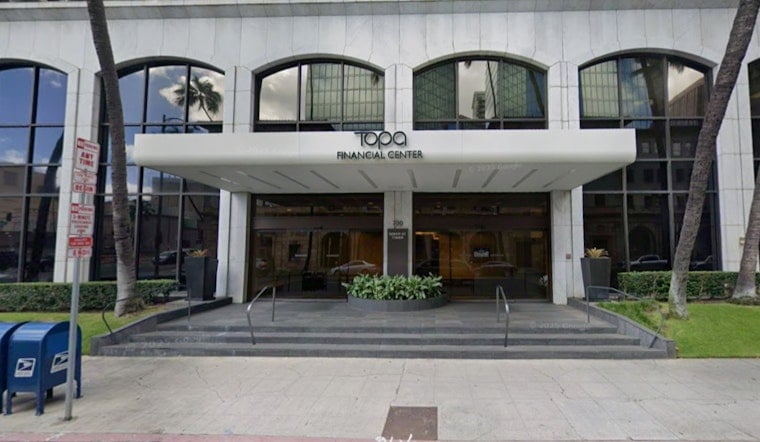
Right now, UHA lists its business address at the Topa Financial Center on Bishop Street, squarely in Honolulu’s central business district. Trading that skyline address for Moiliili would plant the insurer in a neighborhood more tightly linked to clinics and the University of Hawaiʻi at Mānoa. Testimony filed with the state shows UHA operating out of Topa Financial Center for years, underlining how significant this relocation is for the company. Hawaii State Legislature
What This Means For Moiliili And The Office Market
In Honolulu’s uneven office market, buildings that combine steady medical tenants with on-site parking have been holding their own, often delivering more predictable cash flow than traditional downtown Class A towers. A city snapshot of Honolulu shows owners and buyers putting more attention on specialized office assets and adaptive uses as vacancy patterns shift and not always in their favor. Yardi Matrix
As of July 22, 2026, UHA’s own press page did not list a public announcement about the Moiliili acquisition, instead featuring recent posts on leadership changes and community grants. UHA Still, as Pacific Business News first reported, the deal hands Moiliili a major institutional tenant, a shift that could bring a noticeable bump in daytime foot traffic and lunchtime business to the neighborhood.





