

























































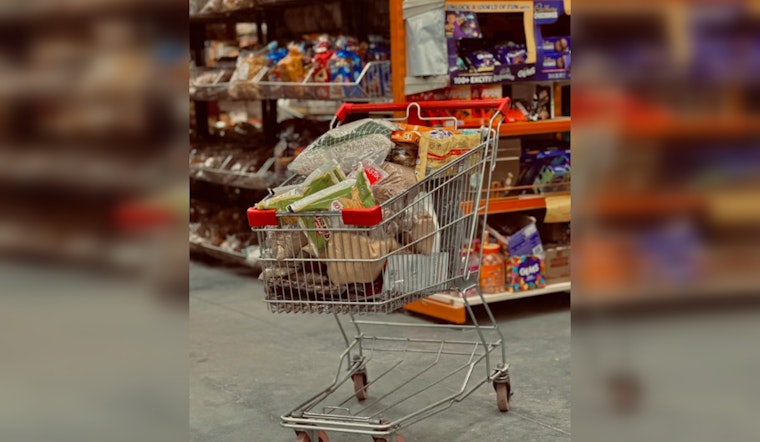
For anyone in Jacksonville who feels like the weekly grocery haul has quietly turned into a luxury purchase, you are not imagining things. Jacksonville-based Acosta Group’s inaugural Affordability Tracker finds that a typical 84-item stock-up trip now rings in at $366.04, about $78 more than a similar basket in 2020, a roughly 27% jump. The firm notes that wage gains since the pandemic have restored some buying power, yet many shoppers are still hunting promotions, comparing prices and generally treating the grocery aisle like a bargain battlefield, which keeps the perception of “expensive” firmly in place even when paychecks are bigger.
How the tracker works
The Tracker compares Acosta’s 84-item “Typical Stock-Up Trip” against median hourly earnings to produce a real-world affordability readout, according to Acosta Group. Grocery prices come from NIQ Discover total U.S. food sales data, while wage figures are drawn from U.S. Bureau of Labor Statistics data to calculate purchasing power. The idea is to show how prices and wages move together over time, and how that mix actually plays out in a shopper’s cart rather than just on a spreadsheet.
Wages helped, but habits stuck
Acosta estimates that the hours a median full-time worker has to put in to afford the 84-item basket dropped from about 12.6 hours at the 2023 low point to roughly 11.9 hours in the latest period. “Price increases alone do not tell the whole story. Neither do wage increases,” Colin Stewart, Acosta’s executive vice president of business intelligence, said in the report. Median hourly earnings climbed from $23.93 in 2020 to $30.88 in early 2026, which softened the blow of higher shelf prices but did not erase it, according to Acosta Group. In other words, the math looks better on paper, yet shopper behavior still reflects a mindset shaped by years of sticker shock.
Inflation context and grocery prices
National data show that grocery inflation has cooled from its 2022 peak but is still running hotter than the long-term norm. The USDA Economic Research Service expects food-at-home prices to see modest increases in 2026, and the Bureau of Labor Statistics reported that food-at-home prices were about 2.7% higher over the 12 months ending June 2026. Those slower, but still positive, price moves help explain why Acosta’s tracker shows an improvement in affordability since 2023 even as many items remain noticeably more expensive at the shelf. For shoppers, that translates into gradual, incremental relief rather than any dramatic reset to pre-pandemic pricing (USDA ERS; BLS).
What this means for Jacksonville shoppers and stores
Because Acosta Group is headquartered in Jacksonville and supplies sales and shopper insights to grocery chains and consumer brands, the new tracker is expected to land on the desks of local retailers and suppliers as they sort out pricing and promotion strategies, as reported by News4JAX. Local business coverage and listings highlight Acosta’s sizable footprint in the area, which suggests Jacksonville could be an early testing ground for some of the tactics the report lays out. Grocers that clearly communicate value and run easy-to-understand promotions may be best positioned to keep shoppers from trading down on brands or walking away to competitors.
Acosta says the Affordability Tracker is meant to be a recurring series, and future editions could broaden the lens beyond groceries to follow how purchasing power and consumer mindset shift across other household categories. For now, the takeaway is straightforward: wage gains are helping, but historically high shelf prices and a deeply ingrained focus on affordability mean retailers will need sharper, more convincing value strategies for the long haul.





