

























































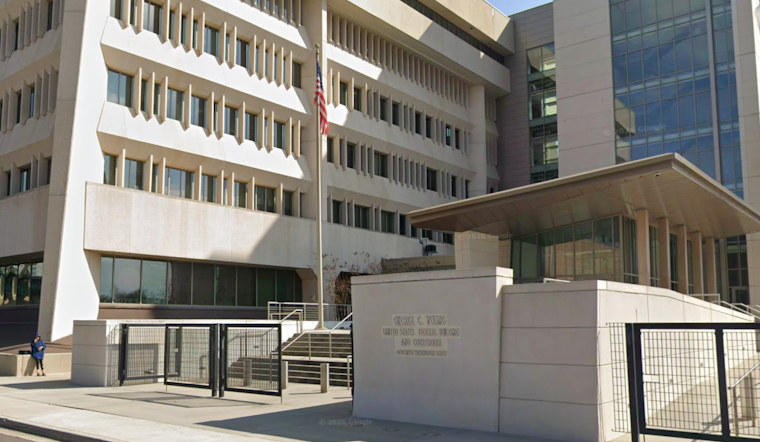
A tense fight over a neighborhood synagogue in southwest Orange County is not over yet. A federal judge has allowed a religious-discrimination lawsuit by the Orlando Torah Center to move forward against Orange County, keeping alive the congregation’s challenge to the county’s denial of its expansion plans at 8613 Banyan Blvd. in the Dr. Phillips / Sand Lake Hills area. The ruling does not find that discrimination occurred; it simply clears the case to move into discovery and other pretrial steps.
Judge's order clears most claims
In a July 6 order, the judge denied Orange County’s motion to dismiss most of the complaint, concluding that the synagogue’s allegations are detailed enough to put the county on notice about what it is accused of. The court did dismiss the Orange County Board of County Commissioners as a separate defendant without prejudice and struck requests for compensatory damages under Florida’s Religious Freedom Restoration Act and the state constitution. The judge left in place the congregation’s requests for declaratory and injunctive relief, according to WFTV.
What the center sought
The Orlando Torah Center had asked the county for permission to replace a roughly 1,600-square-foot house-turned-synagogue with a multistory worship and event space, including about a 9,376-square-foot addition and a reduction in required parking from 52 spaces to 35, according to county planning documents on file with Orange County. Congregation leaders say the expansion is necessary because many members live within walking distance and do not drive on the Sabbath, and that the existing building no longer fits their growing community.
Neighbors, DOJ and county response
Neighbors turned out at public hearings to oppose the project, raising concerns about traffic, the building’s size and how it would fit next to single-family homes. Some of those comments are quoted in the synagogue’s lawsuit as alleged evidence of bias. The U.S. Department of Justice opened a civil-rights inquiry into Orange County’s zoning practices last year, and the state attorney general also raised questions. County officials have told investigators that the July 1 vote to deny the application was based on neutral land-use rules rather than religion, according to ClickOrlando.
What happens next in court
With the motion to dismiss largely denied, the case now heads into discovery, where both sides can demand documents and take depositions. The court’s case-management schedule lays out mediation requirements and pretrial deadlines that could steer the dispute toward either a settlement or a trial. The matter is listed as Case No. 6:25-cv-01463, and the judge notes that accepting the complaint’s well-pleaded allegations as true at this point is a procedural requirement, not a ruling that Orange County is liable, as reflected in online docket records from Justia.
Legal implications
The synagogue’s lawsuit raises claims under the First Amendment, the Religious Land Use and Institutionalized Persons Act (RLUIPA) and Florida’s Religious Freedom Restoration Act, and it seeks declaratory and injunctive relief, according to Orlando Torah Center. RLUIPA bars land-use regulations that impose a “substantial burden” on religious exercise unless the government can show a compelling interest and prove it used the least restrictive means available, a standard outlined by the U.S. Department of Justice’s Civil Rights Division in its Department of Justice materials.
“To tell Orthodox Jews who need to worship where they live that their worship is going to detrimentally impact the community is to marginalize that faith community,” attorney Roman Storzer told the West Orange Times & Observer. The judge’s order now sets the calendar for discovery and new filings that will test whether zoning rules, alleged bias, or some combination of the two ultimately controlled the outcome.





