

























































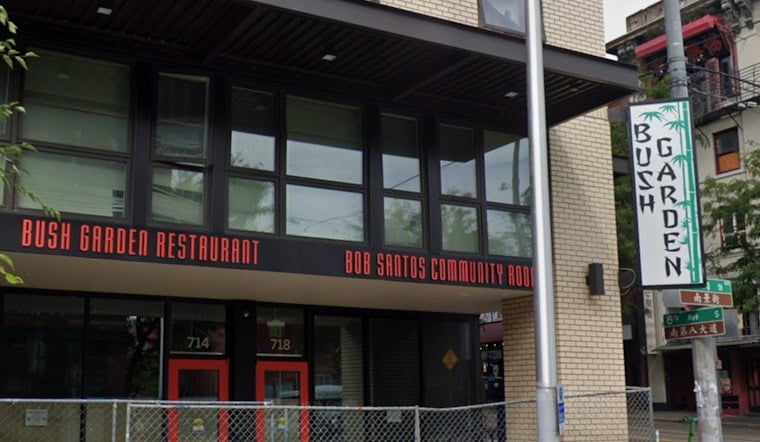
The mic is live again at Bush Garden. The venerable karaoke joint that helped introduce Americans to belting it out in public has officially returned to Seattle’s Chinatown-International District, reopening this spring with its trademark karaoke nights and neighborhood rituals like lion dances, taiko and a ribbon-cutting. Regulars and community leaders packed in to celebrate a spot many describe as a "third place" for the CID.
How the return unfolded
As Caroline Chamberlain Gomez reported for KUOW, Bush Garden has "unvanished" in a new C-ID location this spring. The KUOW story accompanies a Seattle Now episode produced in collaboration with Vanishing Seattle that walks through the restaurant's history and its rebirth. The reporting frames the comeback as part of a larger conversation about preservation and community power in the neighborhood.
Community pageantry at the grand reopening
The return came with full neighborhood pageantry. Lion dancers, thundering taiko drumming, a ribbon-cutting and a City proclamation all marked the June 3 ceremony. The International Examiner documented the day and noted that the new space blends design elements salvaged from the old Bush with newer touches. Organizers and longtime patrons treated the event less as a slick relaunch and more as a collective homecoming.
A new home at Uncle Bob’s Place
Bush Garden now sits in the ground-floor commercial space at Uncle Bob’s Place, an InterIm CDA affordable housing project built to center community uses alongside homes. InterIm CDA describes the building as a hub for art, community programs and small businesses tied to neighborhood history. Coverage by the South Seattle Emerald highlighted a sculptural Panama hat on the Bush Garden sign, a tribute to local activist Robert "Uncle Bob" Santos.
Roots that run deep
Bush Garden’s roots reach back to the 1950s, and it moved to Maynard Avenue in 1957. Over the decades it evolved into a center for family gatherings, neighborhood organizing and late-night karaoke. It is widely cited as one of the earliest American bars to popularize karaoke and remained a civic anchor for the CID even after closing its longtime space in 2021. Local history resources trace its arc from a formal Japanese dining room to a grassroots karaoke destination cherished across generations. HistoryLink offers a concise look at the restaurant’s history and role in the neighborhood.
What comes next
For owner Karen Sakata and longtime regulars, the reopening is framed as stewardship rather than a clean break. Sakata has told reporters she views herself as a caretaker carrying the place forward for future patrons. The new Bush Garden aims to hold the line on affordability, keep familiar menu items and maintain late-night karaoke programming, all within a smaller, light-filled space that connects to the building’s community room. Reporting and photography from the International Examiner captured supporters’ reactions and the ceremonial flourishes that marked the bar’s return.





