

























































Three people tied to a web of Kentucky addiction clinics are heading to federal prison after jurors decided they turned taxpayer-funded treatment into a high-dollar billing machine. CEO Michael Bregenzer, medical director Dr. José Alzadon and billing manager Barbie Vanhoose were convicted at trial in March 2025 of running a scheme that prosecutors say billed Medicare and Kentucky Medicaid for unnecessary or completely phantom services; sources differ on whether the total billed was about $4.8 million or more than $8 million.
All told, sources report the clinics submitted either more than $4.8 million or more than $8 million in claims to the government programs, and the three defendants were ordered to pay about $812,881 in restitution. Their prison terms now range from two to five years.
Federal sentences handed down
According to the Justice Department, Bregenzer, 53, of Houston, was sentenced on July 24, 2026, to 48 months in prison followed by three years of supervised release. Dr. Alzadon, 62, was sentenced in February 2026 to 60 months, and Vanhoose, 63, received 24 months in January 2026. All three were ordered to pay $812,881.09 in restitution, according to the department.
How prosecutors say the scheme worked
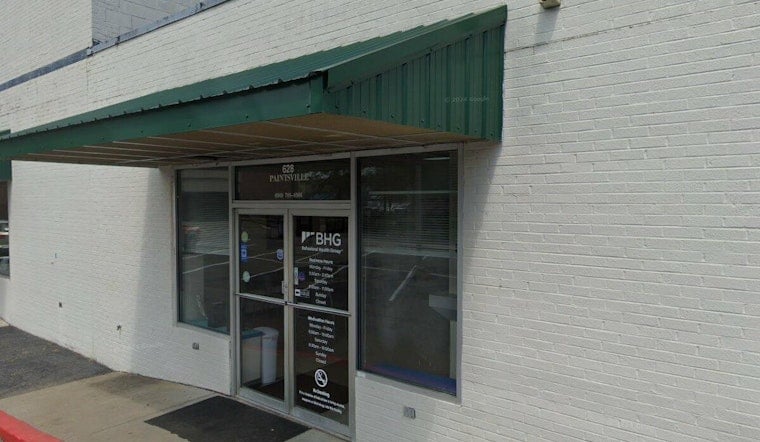
Federal investigators say the fraud ran through Kentucky Addiction Centers, which operated locations in Winchester, Paducah, Paintsville and London. Prosecutors allege the clinics routinely billed for services that were never actually provided or were “upcoded” to costlier service levels than what patients received.
As the DEA described in a March 2025 release, the defendants also tapped into the prescribing credentials of an elderly physician, using that doctor’s DEA registration number and electronic token to push through Suboxone prescriptions for patients the physician had never seen. A prosecutor later wrote that the operation aimed to “turn these vulnerable patients into cash machines,” according to the Lexington Herald‑Leader.
Who investigated and prosecuted the case
The Justice Department says the case drew a multi-agency response that included the DEA, the FBI, the HHS Office of Inspector General, the Department of Labor Employee Benefits Security Administration and the Kentucky Medicaid Fraud Control Unit, with backup from the Winchester Police Department.
Federal officials also pointed to the case as part of a broader crackdown on health-care fraud, highlighting the department’s newly created National Fraud Enforcement Division and its Health Care Fraud Strike Force program, which have brought thousands of cases nationwide.
Local impact and earlier developments
Local reporting and court records show the convictions grew out of a trial in the Eastern District of Kentucky that wrapped up in March 2025. In a related prosecution, another clinic owner, Kristy Berry, pleaded guilty in December 2023, according to the Lexington Herald‑Leader.
A government summary of those earlier convictions is posted on the HHS Office of Inspector General website, which notes that the FBI and HHS‑OIG were among the agencies that helped uncover the scheme.
Legal notes
At trial, jurors convicted Bregenzer, Alzadon and Vanhoose of one count of conspiracy to commit health care fraud, eight counts of health care fraud and a conspiracy to distribute controlled substances using another person’s registration number. Two of the defendants were also convicted of aggravated identity theft, a charge that carries a consecutive mandatory minimum sentence.
Those counts and the restitution order appear in government filings and press releases. The DEA’s March 2025 release details the convictions but does not include the restitution amount; the restitution is set out in the Justice Department’s sentencing release.





