

























































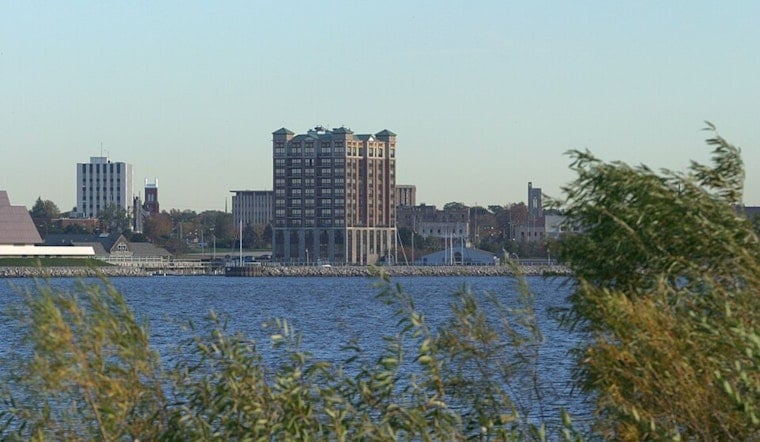
Muskegon’s Lake Michigan shoreline is in the middle of a full-on vacation rental boom, turning once quiet waterfront blocks into a revolving door of visitors and investment cash. Modest houses are getting flipped into short term rentals and listed for weekend getaways or weeklong stays. Neighbors say that shift has pushed up nightly rates and buyer interest, while also stirring familiar worries about late night noise, curbside parking battles and the squeeze on long term housing.
Local coverage recently described the market as “growing like mad.” As reported by Crain's Detroit Business, hosts and property managers say demand for Lake Michigan stays keeps climbing, with new listings popping up along the lakefront and into downtown Muskegon.
The anecdotes are backed up by hard numbers. Data from AirDNA show roughly 501 active short term rental listings in Muskegon, with an average daily rate of about $325 and 54% annual occupancy as of May 2026.
Not every data source sees the exact same market. A separate analysis by AirROI counted about 231 active Airbnb style listings and pegged typical annual revenue in the low $30,000s, a reminder that different methods and booking channels can produce very different headline numbers. That gap matters for investors, hosts and city planners who rely on these tools to size up the business.
City rules and registration
Muskegon already has guardrails in place for whole home short term rentals. The city uses a zoning overlay that caps permits at roughly 4% of housing units in each neighborhood zone, a rule adopted after a pause on new registrations in 2024. The overlay is supposed to keep waterfront tracts from being overrun with vacation rentals while still allowing mixed use activity in downtown and business districts.
According to the City of Muskegon and the city’s registration paperwork, hosts must register, name a local contact and submit to inspections. The 2026 registration form lists a $500 annual fee and makes new licenses non transferable.
Cleanup, development and local pushback
The latest wave of development along Muskegon Lake follows a multiyear, publicly funded cleanup that stripped away decades of industrial pollution and opened the shoreline to new projects. Reporting by Bridge Michigan notes that remediation and redevelopment have helped lift average home values while raising fears of “eco gentrification” as waterfront condos, marinas and vacation rentals roll in. Longtime residents and neighborhood groups argue that the benefits are uneven and that tourist oriented housing can crowd out affordable, year round homes.
For many neighbors, the pattern feels like a two tier waterfront: busy, high priced summer rentals on one side and a shrinking pool of full time residents on the other. City officials and housing advocates say the overlay rules and inspection system are meant to keep things in balance, but the market’s current momentum, plus growing interest from outside investors, could make that balance harder to maintain.
Taxes and platform risk
The financial fine print is another wildcard for hosts and local governments. Across the country and in Michigan, platforms and municipalities are still arguing over who is on the hook to collect and remit taxes. HomeAway, the parent of Vrbo, has sued Michigan to challenge an $18.7 to $18.8 million assessment, arguing that individual hosts, not the platform, are responsible for use taxes. CPA Practice Advisor covered the case, which doubles as a warning that tax and compliance risk can change the math for operators and cities alike.
Whether Muskegon’s short term rental boom ends up as long term economic lift or a neighborhood squeeze will hinge on how demand settles, how firmly the city enforces its caps and inspections, and how platforms and hosts handle tax and licensing obligations. For now, strong summer bookings and rising average daily rates are keeping Muskegon on investor watchlists, and keeping local officials tuned in to the ever shifting balance between tourism and housing.





