

























































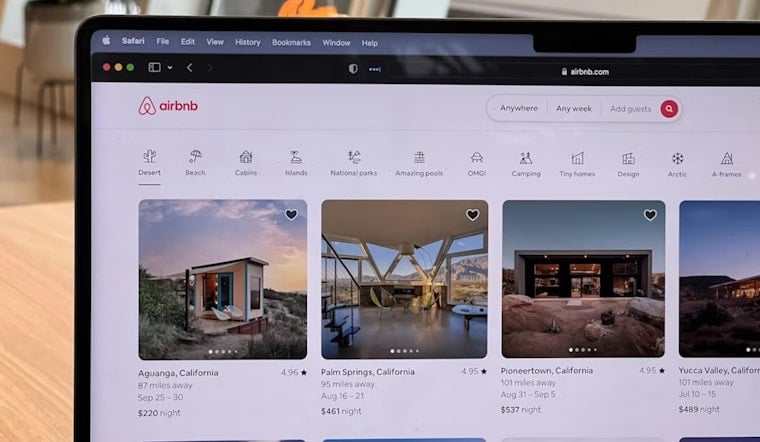
Lakewood’s long-running tug-of-war over short-term rentals is heading back to center stage Monday, with city officials set to resume debate on an ordinance that could dramatically shrink where and how hosts operate. The Housing, Planning & Development Committee is scheduled to take up the draft at a public meeting that will pull homeowners, neighbors and hosts into the same room, with the stated goal of taming party problems, parking headaches and safety worries while hanging on to long-term housing for families.
According to Cleveland.com, the ordinance introduced by Councilmember Tom Bullock would shut the door on short-term rentals in condominiums and in apartment buildings with three or more units, block rentals within 1,500 feet of a school and layer on new registration, safety and accountability rules for hosts. It would also require operators to live in the home full time and to own at least half of the property before they can rent it out on a short-term basis. Supporters say those limits are aimed squarely at keeping investor-run “party houses” out of Lakewood’s residential blocks.
What the proposal would do
A city memo describes a new annual licensing system that would require proof of safety equipment and insurance, and would allow officials to suspend or revoke a license after repeated nuisance problems. The same document floats a requirement for a local contact or property manager who can respond quickly when neighbors complain, and it contemplates both interior and exterior inspections as part of the approval process. The memo frames the proposed rules as a way to protect school-aged families and slow the churn of long-term homes turning into de facto hotels, the background is laid out in a city memo.
Residents' complaints and police logs
Neighbors who pressed council to act say a handful of properties have been chronic trouble spots, with repeated calls about noise, parking and safety issues. One resident told reporters that a short-term rental next door generated roughly 58 police calls over two years, a statistic that has been making the rounds at City Hall. Bullock has pointed to multiple nuisance incidents as justification for tighter rules, and residents told News 5 Cleveland they want clear local ownership and accountability. Those firsthand complaints helped push council to send the concept into committee for a deeper dive.
How many rentals are in Lakewood?
A memo posted with council materials. The memo says a public-records search turned up “as many as 68” short-term rental properties. Informal searches on rental platforms and third-party analytics tell a different story. Short-term rental analytics site AirDNA lists roughly 325 active Lakewood listings as of June, highlighting a sizable gap between official counts and what is actually being marketed online. That discrepancy could make enforcement tricky if the city moves ahead with licensing and penalties.
What to expect at Monday's meeting
The Housing, Planning & Development Committee plans to take public testimony and hear from staff at a meeting starting at 6 p.m. Monday in the auditorium at Lakewood City Hall, 12650 Detroit Avenue. Officials are likely to face a split crowd, with some residents urging swift, strict limits and many hosts worried about whether they can survive new compliance costs. The committee can tweak the language, ask for more study or vote t o send a formal ordinance to the full council. The meeting notice and agenda are posted by the City of Lakewood.
Legal and practical hurdles
Actually enforcing an owner-occupancy rule or a 1,500-foot buffer around schools would almost certainly require zoning changes and more enforcement staff, a point already raised in council materials and during early public discussions. Nearby Cleveland recently adopted its own short-term rental licensing and density caps, a policy Lakewood officials say they are watching closely as they craft their version. How the committee steers Monday’s conversation will signal how hard Lakewood is willing to clamp down, and what trade-offs city leaders are prepared to accept, according to Cleveland City Council.





