

























































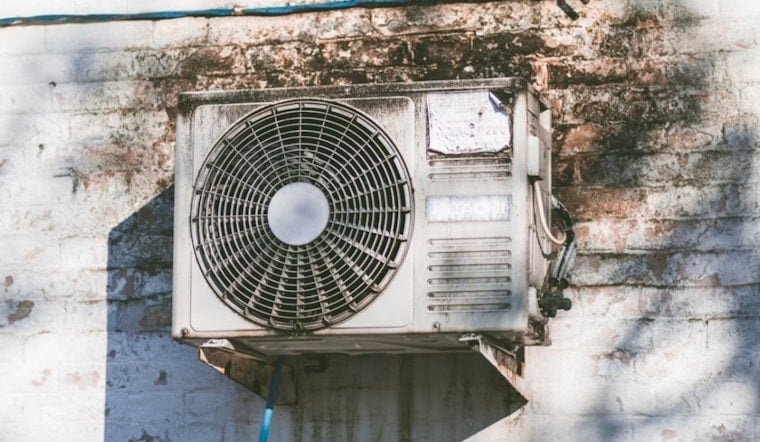
In Las Vegas, a dead air conditioner is more than a maintenance headache when outdoor temperatures are pushing past 110 degrees. Nevada law gives renters several tools to force action, but only if they put the problem in writing and follow the process closely.
The short answer is generally yes when air conditioning is supplied as part of the rental or required by the lease. A Las Vegas Review-Journal explainer details what renters can do when a landlord fails to restore an essential service during Southern Nevada’s brutal summer heat.
What Nevada’s Essential-Services Law Requires
Under Nevada Revised Statutes Chapter 118A, landlords must maintain rental homes in habitable condition. The law specifically treats air conditioning as an essential service when the landlord is required by the rental agreement or state law to provide it, and a serious failure can make the unit unfit for habitation.
After notifying the landlord in writing, a tenant generally must give the owner 48 hours to adequately remedy the outage or make a good-faith effort to fix it. That clock does not include Saturdays, Sundays or legal holidays, so a notice sent before a weekend may not produce a response deadline as quickly as a tenant expects, according to Nevada law.
Send A Habitability Notice Before Taking Action
Tenants should describe the broken AC, explain how it affects the home and keep proof that the landlord received the notice. A certified letter creates a paper trail, but an email or text can also help establish when the landlord was put on notice, according to tenant-rights guidance cited by the Review-Journal.
If the owner does not fix the problem or make a meaningful effort within the required period, state law may allow the tenant to arrange reasonable cooling services, recover actual damages, withhold rent during the noncompliance or move temporarily into comparable housing. Hotel or motel costs must be reasonable, and the tenant may be responsible for paying the difference between the temporary lodging and the rent that would otherwise have been due.
Do Not Simply Stop Paying Rent
Withholding rent does not mean keeping the money in a bank account and hoping the dispute disappears. The Review-Journal reported that tenants using rent withholding may need to make payments into a court escrow account, and renters who skip the required procedure can put themselves at risk in an eviction case.
Clark County’s courts list a tenant complaint form for illegal lockouts and essential-services disputes, while the county’s Civil Law Self-Help Center provides procedural information for people representing themselves. The center is at 200 Lewis Avenue in downtown Las Vegas and is open Monday through Friday, according to Clark County.
Fast Court Relief May Be Available In Narrow Cases
When a landlord willfully interrupts an essential service, Nevada law allows a tenant to seek expedited relief in Justice Court. The complaint generally must be filed within five judicial days of the unlawful act, and the court can order the service restored or award damages if the tenant proves the violation.
That deadline is strict, and older outages can create complicated questions about when the violation began or whether the landlord’s conduct is continuing. Renters facing a prolonged outage should preserve maintenance requests, temperature readings, photographs, receipts and copies of every notice before deciding which remedy to pursue.
Why The Timing Matters In Las Vegas
The legal rules arrive as the National Weather Service warns of dangerous heat across the Las Vegas Valley, with an Extreme Heat Warning in effect through Sunday evening and forecast highs around 111 degrees. The agency advises residents to stay in air-conditioned spaces during extreme heat, advice that is difficult to follow when a landlord leaves a rental without working cooling.
For renters, the practical playbook is simple even if the law is not: notify the landlord in writing, document the outage, track the 48-hour deadline excluding weekends and holidays, and get legal help before withholding rent or paying for alternate housing. In the desert, a broken AC can turn a routine repair request into a time-sensitive housing dispute.




