

























































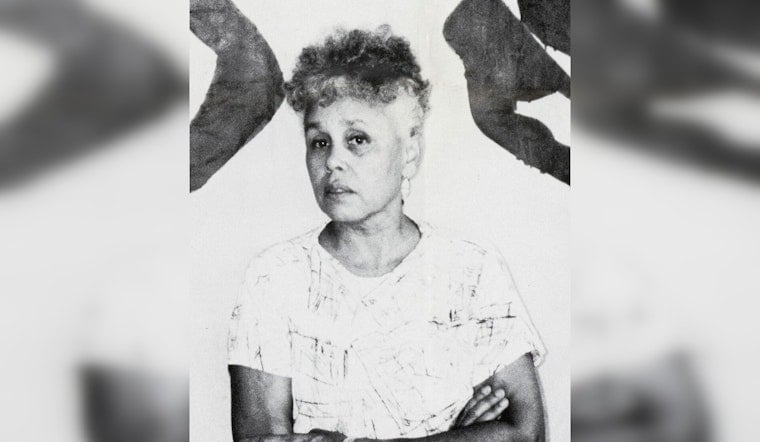
Betye Saar, the groundbreaking Laurel Canyon assemblage artist who turned racist knickknacks into fiercely spiritual, politically charged works, died Sunday in Los Angeles at 99. She passed away just days before what would have been her 100th birthday and kept working steadily in her studio well into her 90s, reshaping museum collections and galvanizing generations of artists across the country.
Her death was confirmed Monday by relatives, according to The Associated Press. The news lands as galleries and museums in Los Angeles and beyond were already rolling out centennial exhibitions and archival projects in her honor.
Signature works and museum recognition
Created in 1969, "Black Girl’s Window" marked a major turning point in Saar’s practice and now lives in the collection of the Museum of Modern Art. MoMA has spotlighted the piece as central to her shift away from printmaking and into the evocative assemblages that came to define her career.
The Liberation of Aunt Jemima and reclamation
Her 1972 assemblage "The Liberation of Aunt Jemima" took a demeaning commercial caricature and reimagined her as a militant, self-possessed Black woman, a move widely cited as a watershed moment in Black feminist art. Institutions that document Black Los Angeles have pointed to the work as pivotal in changing how race and gender were addressed in American art, according to the Hammer Museum.
From design to radical assemblage
Saar studied interior design at UCLA before moving from commercial design and printmaking into assemblage, developing a visual language built from found objects, family relics and ritual symbols. Family members and galleries had already begun digitizing her archives and staging shows around her centennial this summer, the Los Angeles Times reported.
Centennial exhibitions and archives
Roberts Projects in Los Angeles mounted "Let’s Get It On: The Wearable Art of Betye Saar," an archival exhibition that gathered hundreds of costume designs, garments and sketches tied to her early work in theater. The gallery said the show, together with the Betye Saar Legacy Group, has been part of a broader effort to catalog her papers and prepare a comprehensive catalogue in tandem with the centennial exhibitions.
Institutional recognition and honors
Saar’s profile surged nationally in 2019 when concurrent solo exhibitions at MoMA and the Los Angeles County Museum of Art drew renewed attention to her decades-long career, as The Washington Post noted. In spring 2026 she was inducted into the American Academy of Arts and Letters, according to The Associated Press.
Legacy
Saar taught, mentored and encouraged younger artists, and her work fundamentally reshaped conversations about race, gender and craft in American art. She is survived by her three daughters and grandchildren, the Los Angeles Times reports, along with a wide circle of students, curators and friends who are now stewarding her archive for future scholarship.



